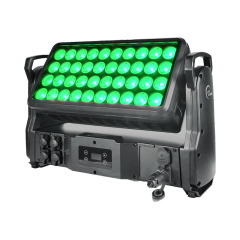
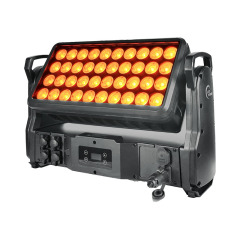
Product Overview
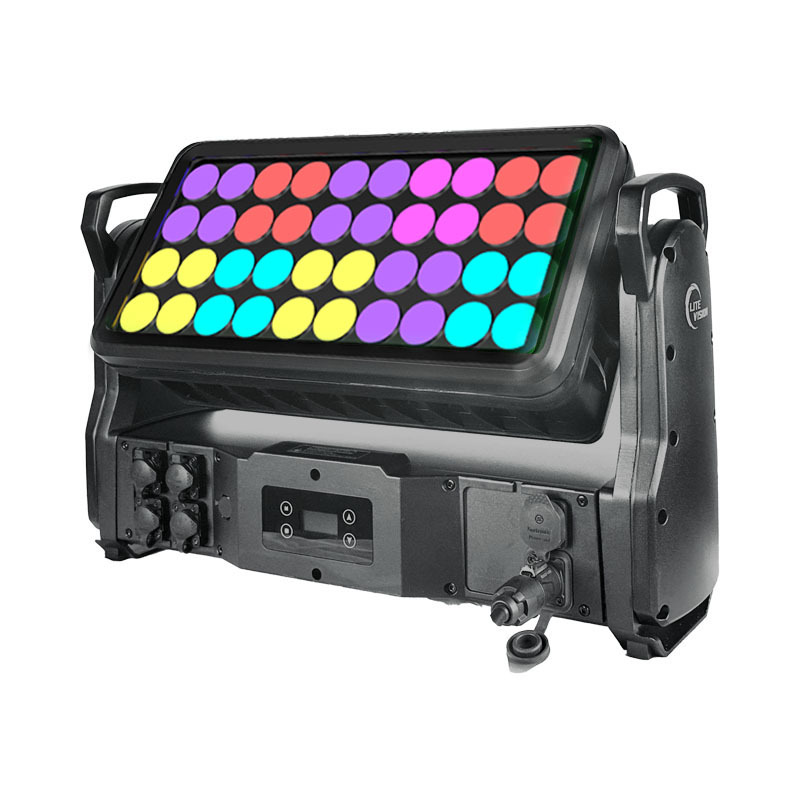
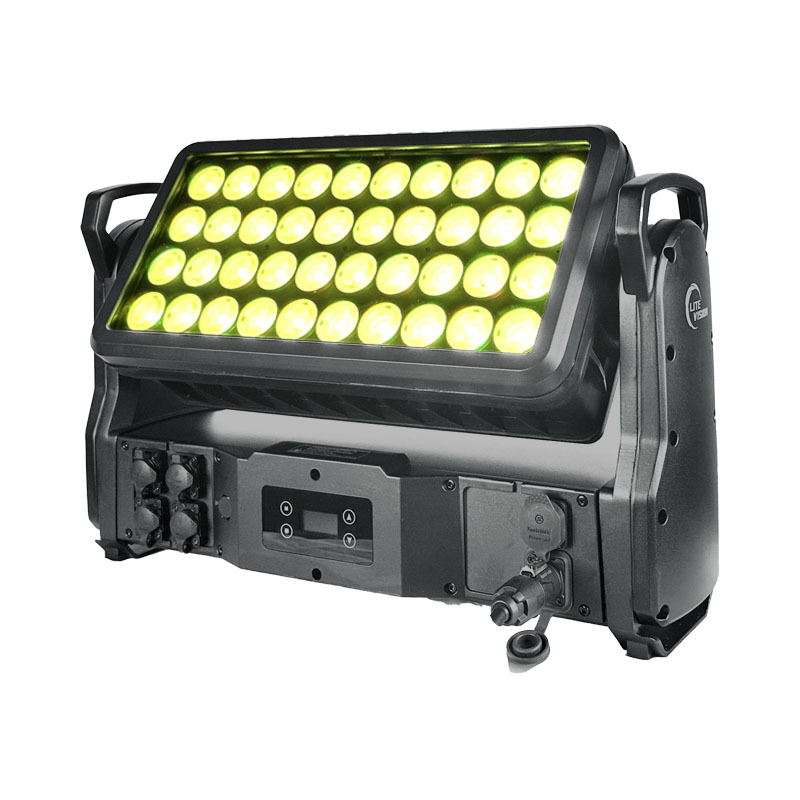
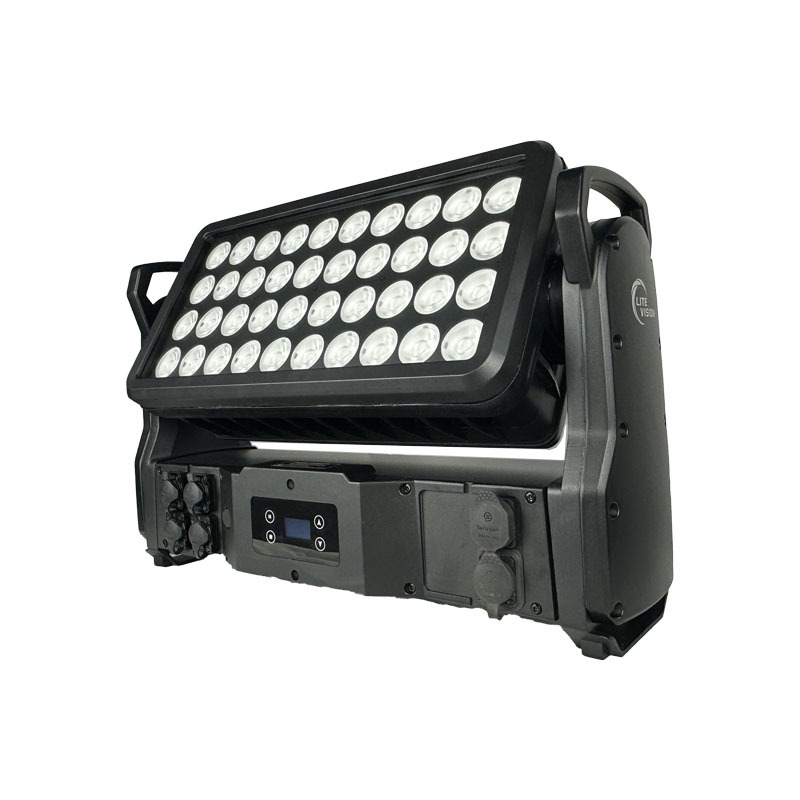
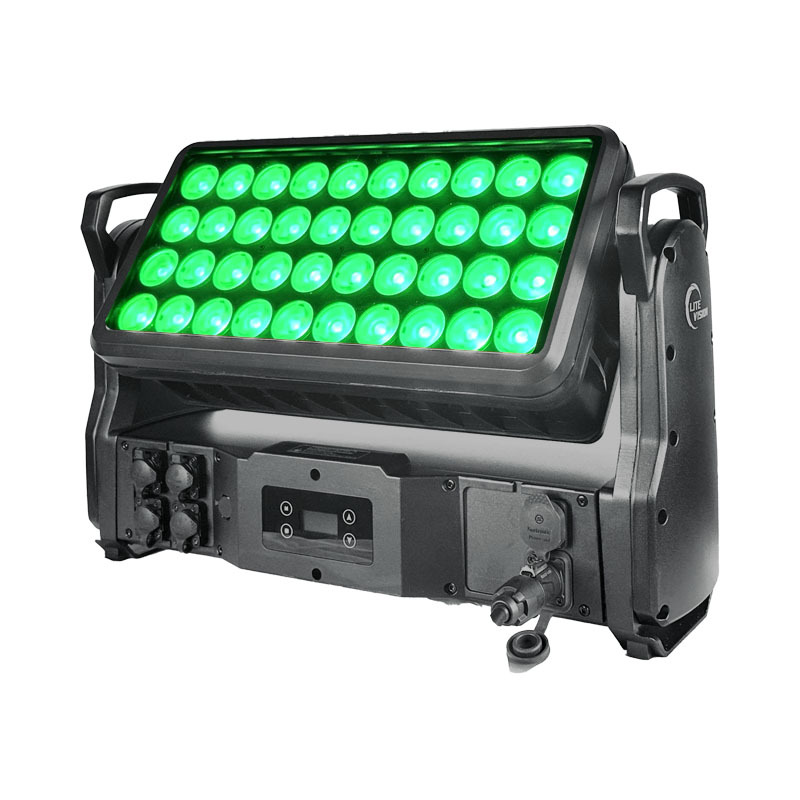
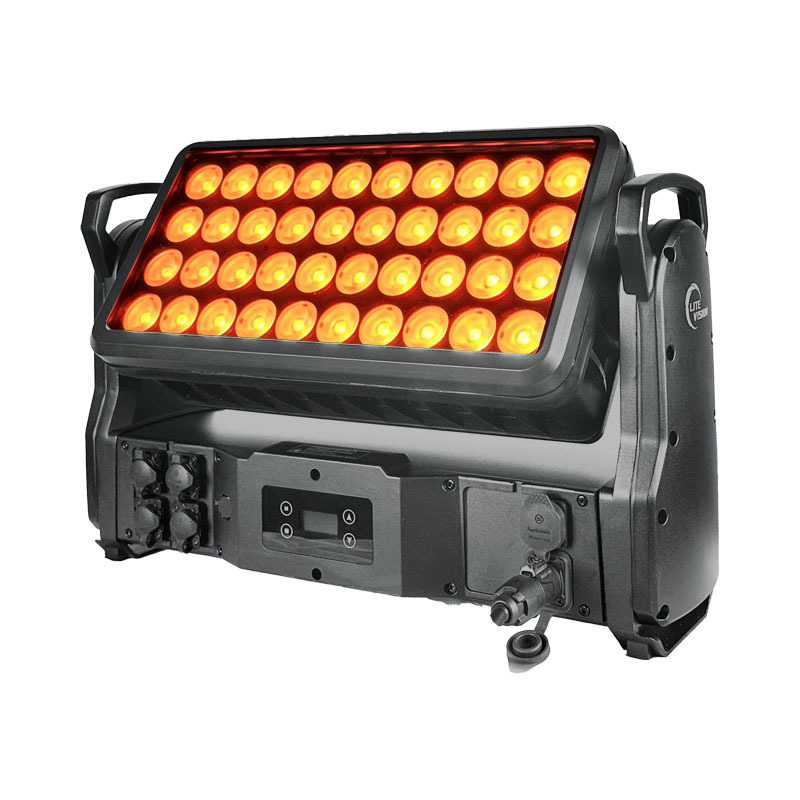
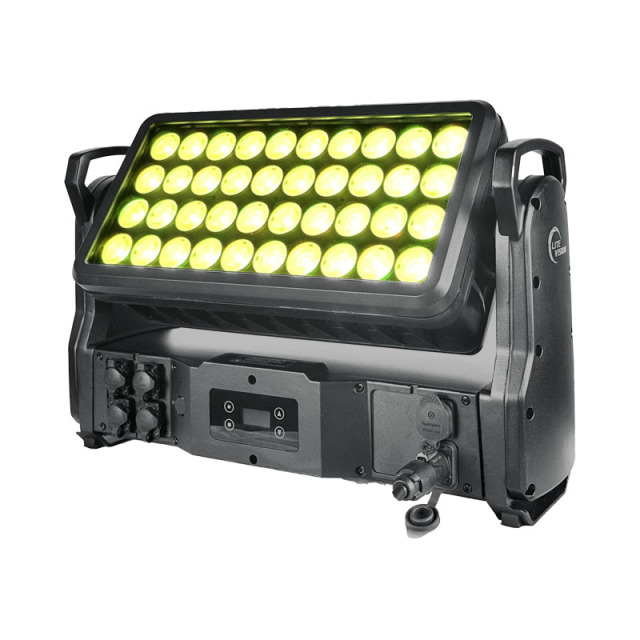
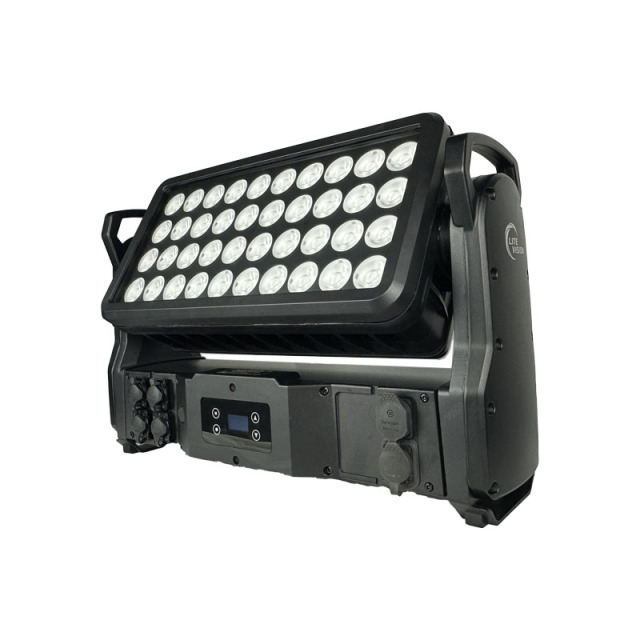
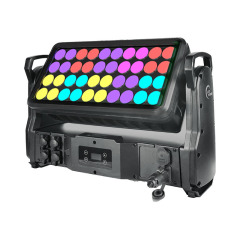
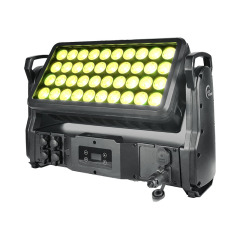
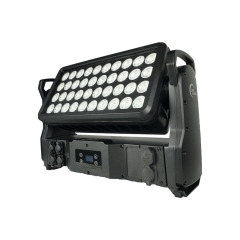
For outdoor stage designs that need coloured and white-light output, the Archi MT4040 Outdoor RGBW Tilt Wash Light combines RGBW colour mixing with ten LED segments arranged in a 2 x 5 rectangular face. The segmented surface supports patterned colour effects and can form part of the visible stage design, while a 185° tilt range with 8–16 Bit control adjusts vertical aim between cues. Electronic dimming from 0–100%, an electronic shutter with a maximum frequency of 20 Hz and internal LED macro effects provide intensity, flashing and patterned looks. USITT DMX-512 control offers 12CH, 43CH, 49CH and 5CH modes, with RDM communication, an illuminated graphic OLED for local setup and optional 2.4 GHz W-DMX™ wireless control.
RGBW Wash Effects
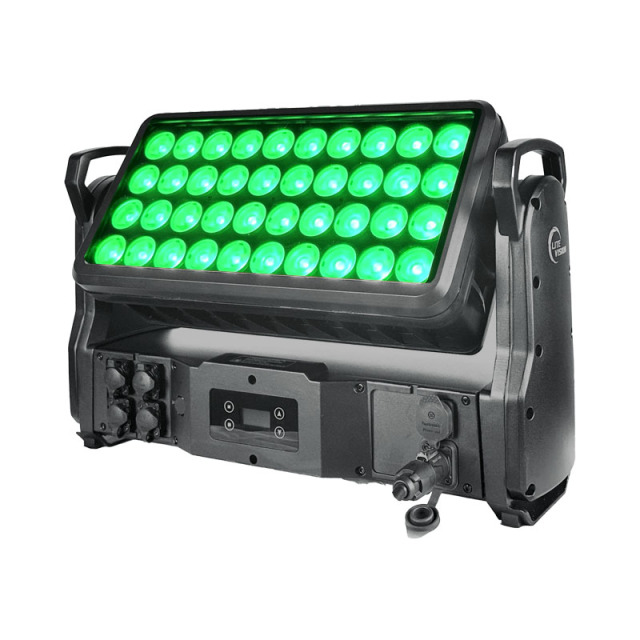
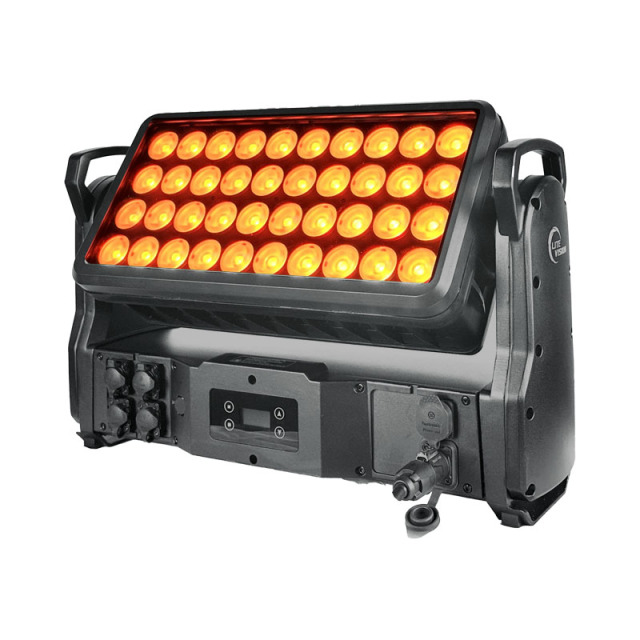
- RGBW colour mixing gives this outdoor moving head light both coloured and white-light output. The rectangular lamp face can become part of the visible stage design as well as illuminate scenery.
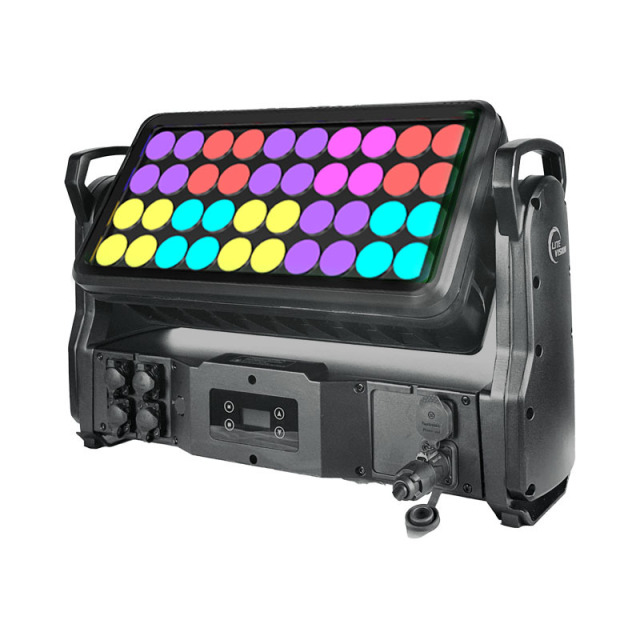
- Ten LED segments, arranged 2 x 5, provide a segmented surface for patterned colour effects. The available channel map determines how those sections are addressed in a show.
- A 185° tilt range with 8-16 Bit control lets the moving head led light change its vertical aim between cues. Movement specifications cover tilt; plan the layout around that documented axis.
- Electronic dimming from 0-100% gives the led wash light an intensity control separate from colour programming. Build brightness changes into scene transitions rather than relying only on colour changes.
- An electronic shutter with a maximum frequency of 20 Hz provides flashing effects. Keep shutter cues distinct from movement cues so each can be adjusted independently during rehearsals.
- Internal LED macro effects provide another route to patterned looks. Discuss the required macro behaviour with us when preparing the show file, particularly where several fixtures must run together.
Electrical Specifications
| Property | Value |
|---|
| Mains voltage | 100–240 V AC |
| Mains frequency | 50–60 Hz |
| Input power specification | 1200 W |
| RGBW power notation | RGBW: (54%) 765 W |
| Red power figure | R: 337 W |
| Green power figure | G: 365 W |
| Blue power figure | B: 377 W |
| White power figure | W: 375 W |
| Power connection | Seetronic powerCON TRUE1 In/Out |
| Cooling system | Temperature-controlled cooling |
| Thermal protection | Overheating protection |
Console Integration
USITT DMX-512 provides the wired control protocol for this dmx moving head light. The available modes are 12CH /43CH /49CH /5CH; each uses a different channel allocation, so the console patch must match the mode selected on the fixture.
RDM adds bidirectional communication through a compatible control system. Its presence does not establish which remote parameters a particular console can access; use the matching parameter documentation when setting up remote management.
An illuminated graphic OLED gives technicians a local interface for setup. Before copying settings across a group, compare the operating mode and fixture version so a moving head stage light responds consistently with the others in the same cue.
Optional 2.4 GHz W-DMX™ provides a wireless control configuration. Include the wireless option explicitly in the equipment specification rather than assuming it is fitted to every unit, and check the transmitter arrangement against the installed receiver configuration.
A console library for a moving head led light needs the correct channel functions, value ranges and version. A fixture name alone is insufficient when software revisions or channel mappings differ.
Technical discussions with us as your led moving head light manufacturer should identify the console, software version and intended channel mode. Those details allow the control requirements to be checked against the actual fixture configuration without assuming that every console profile has been tested.
Installation & Commissioning
- A qualified installer should review the mounting instructions, supporting structure and movement envelope before installing the fixture. Where the installation requires model-specific clarification, review the rigging and cable plan with us as your moving head wash light supplier; mounting hardware must suit both the fixture and the structure.
- Route the cables outside the moving head's travel and leave enough slack for the programmed positions. A moving wash light must be able to complete its intended movement without pulling a connector or rubbing a cable against the mounting structure.
- Match the signal cables to the fitted Seetronic IP65 XLR 5-Pin or 3-Pin In/Out connectors. The IP65 designation here applies to the signal connectors; exposed installations also require verification of the complete fixture's protection and the approved connection arrangement.
- Connect mains power through the Seetronic powerCON TRUE1 In/Out arrangement using the correct mating connectors and protective earthing. Circuit design must account for verified current, inrush and through-connection limits; an output connector alone does not establish a permissible number of linked fixtures.
- Patch the dmx moving head light, then test movement direction, blackout response and cue behaviour before releasing the installation for use. Keep people and loose equipment clear during the first movement test, and correct cable strain or unexpected motion before running a full sequence.
- Record the final addresses, software versions and operating settings after the functional test. Retain that configuration with the venue or touring show file so replacement units can be checked against the working installation.
Dimensions & Mounting
| Property | Value |
|---|
| Dimensions | 502 × 137 × 326 mm |
| Net weight | 12.2 kg, excluding packaging |
| Gross weight | 13.8 kg, including packaging |
| Operating position | Any orientation |
| Standing support | Rubber feet for freestanding placement |
| Hanging mount | Omega bracket for suspended installation |
| Safety wire attachment | Foldout eyelets for attaching a secondary safety wire |
Applications & Companion Fixtures
- Concert scenery can use the led wash light for changing colour across scenic surfaces and set elements. Establish fixture spacing from the actual coverage at the intended distance rather than from nominal wattage.
- Venue renovations can incorporate a moving wash light where the same scenic area needs different aiming positions for different productions. Check sightlines from audience seating so the lamp face and its movement fit the visual design.
- Theme-park shows can combine an outdoor moving head light with a programmed architectural sequence, subject to the installation's environmental requirements. Test the appearance on the actual surface material, since pale paint, dark cladding and textured scenery reflect colour differently.
- Theater and camera productions can use a moving head stage light for background colour and scenic effects. Projects with critical sound, skin-tone or camera requirements need application tests for noise, colour rendering and camera interaction before assigning it to those duties.
- Beam accents can complement broad wash work: Archi B600Laser and Archi B600II provide different narrow-beam light-source routes, while Archi BSW260Laser adds beam, spot and wash functions. Their optical tasks differ from this rectangular RGBW fixture; shared cue timing does not make their colour response or control profiles interchangeable.
Operation & Maintenance
- Disconnect the fixture from mains power and allow it to cool before routine inspection. Temperature-controlled cooling and overheating protection assist operation, but clear ventilation and the prescribed installation conditions remain necessary.
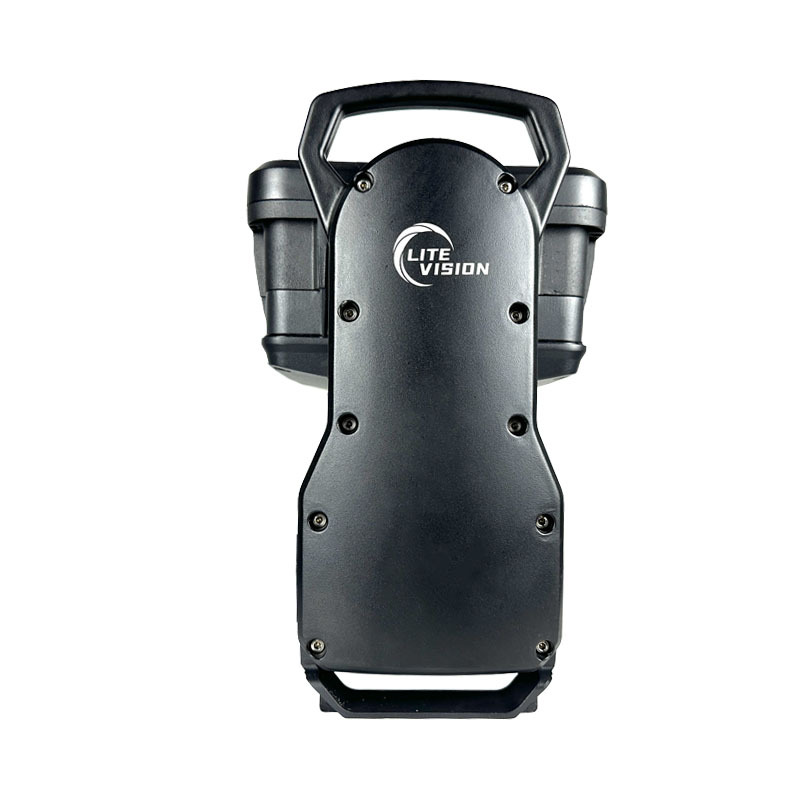
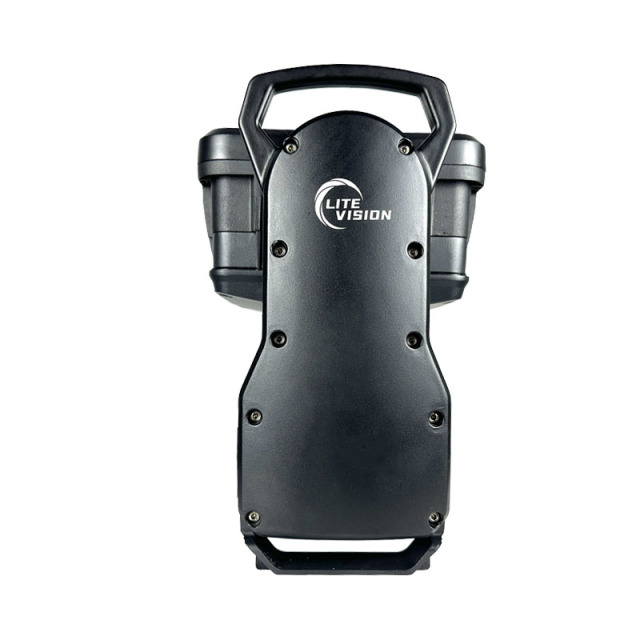
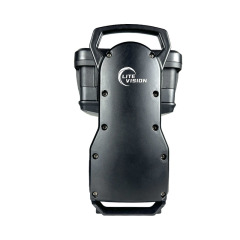
- Inspect the lens surfaces, accessible fasteners and exterior for dirt, damage or signs of moisture. The textured black housing and integrated carrying handles support practical handling, but the handles should not be treated as suspension points unless the installation instructions explicitly permit it.
- Clean accessible optical surfaces using the method and materials permitted in the manual. Abrasive cleaning and liquid entering the housing can damage a moving head stage light; avoid opening the enclosure for routine exterior cleaning.
- Examine cable insulation, connector seals and caps before returning the dmx moving head light to use. Damaged parts or moisture at a connection need attention before power is restored; do not continue operating simply because control data still reaches the fixture.
- Establish verified ambient-temperature limits before scheduling an outdoor moving head light for hot- or cold-weather operation. Keep the unit out of service if its intended environment falls outside the approved conditions or if thermal protection repeatedly interrupts operation.
- Record fault messages, symptoms and the circumstances of any interruption before seeking repair guidance from your led moving head light manufacturer. Internal component replacement needs the model-specific service procedure and an identified replacement part; a fault description alone does not establish which component should be changed.
Technical Data & Downloads
A model-specific specification sheet should accompany the Archi MT4040 technical documents. Use the revision that matches the fitted configuration, and check document availability before relying on files for design or programming.
For a moving head led light, the operating manual should cover electrical connection, mounting, permitted operating conditions and fault handling. Installation work needs the full instructions rather than a short list of connector and mounting types.
The DMX channel chart should identify channel order, function ranges, macro behaviour and any version-dependent changes. Request the chart from us as your moving head wash light supplier with the intended configuration identified, so the document can be matched to the unit being programmed.
Photometric files for an led wash light are useful for checking coverage and illuminance at the intended mounting distance. Beam distribution and measurement conditions are needed for meaningful calculations; the electrical figures above do not supply those optical measurements. The meaning of the mixed-colour percentage notation also needs its operating and measurement conditions before it is used in calculations.
Dimensioned mounting information should show attachment details and the clearance needed by a moving wash light. A connection diagram should identify the approved power and signal arrangement, including any limits that affect the installation.
Projects with destination-market requirements need applicable test reports and compliance documents tied to the exact model and configuration. Obtain the relevant documents before specifying an approval; general company documentation does not establish that a particular fixture configuration carries it.
MT4040 Configuration & Model Comparison
- Archi MT4040 orders need an explicit LED configuration: ask us to verify whether the quoted units are fitted with 40 × 40 W RGBW or 40 × 20 W RGBW LEDs. Include the verified array in the order specification so the model name and light engine are identified together.
- Archi MT4020 is specified with 40 × 20 W RGBW LEDs. Use that configuration as the starting point when comparing the two models, with the fitted MT4040 array identified separately rather than inferred from its model number.
- A measured brightness advantage for MT4040 over MT4020 has not been established. If higher output is your reason for changing models, request a comparison under matching conditions before choosing MT4040 as an upgrade.
- Compare illuminance and coverage at the same projection distance, colour mix and dimmer setting, with both fixtures operating under matching thermal conditions. Centre illuminance and the distribution across the illuminated area help establish whether either model better suits your intended wash coverage.
- Rental inventory additions need a visual match as well as a model match. Compare a proposed MT4040 unit with your existing fixtures for colour balance and intensity through representative cues before planning to use them together in the same wash.
- Replacement LED assemblies need compatibility checks against the installed fixture version and its driver arrangement. Provide the fixture identification and existing assembly details when requesting a replacement; the MT4040 model name alone does not establish which assembly fits.
Technical Support & Model Matching
LITEVISION brings together more than 30 engineers who have worked in the industry for an average of 15+ years. Share your purchasing requirements and the models you are considering to discuss the available options with our team. We provide product maintenance and technical support, with customer service staff available to answer your questions and help address issues. Whether you are comparing options before ordering or need assistance after purchase, contact us with your technical questions and maintenance concerns.
The stated ambient temperature specification is -30 °C / 86°F, 50 °C / 122°F. Contact us to confirm the operating range for your installation, as the first Celsius and Fahrenheit values do not match.
FAQ
Which LED rating applies to the fitted array?
The fitted LED array needs confirmation before ordering because the available specifications list both 40 × 40 W RGBW and 40 × 20 W RGBW. Ask us to identify the array installed in the units being quoted and include that source rating in your quotation.
For repeat orders or additions to a rental inventory, share the identification details of your existing fixtures so we can check whether the source configuration matches. If you are specifying equipment for a project, have the agreed LED rating included in the equipment schedule so the required configuration is clear.
The 1000W product designation is separate from the electrical input specification and does not establish measured brightness. For output comparisons, request photometric data under matching test conditions; the nominal LED wattage alone does not describe how much light reaches the intended surface.
For replacement LED assemblies, check compatibility with the installed fixture version before ordering. Matching the product name alone may not identify the required assembly.
Which DMX modes are available, and what does our console need to support?
The MT4040 supports USITT DMX-512 with 12CH, 43CH, 49CH and 5CH modes, plus RDM communication. The console patch must match the mode selected on the fixture. For profile matching, identify the console, software version and intended channel mode, then check the channel functions and value ranges against the documentation for the actual fixture configuration.
Is wireless DMX included as standard?
The MT4040 offers optional 2.4 GHz W-DMX™ wireless control. Wireless capability should therefore be specified explicitly when selecting the fixture configuration. Check the transmitter arrangement against the installed receiver configuration. USITT DMX-512 provides wired control, while an illuminated graphic OLED provides a local interface for setup, including checking the operating mode before copying settings across fixtures.
What movement does the MT4040 provide for aiming the wash?
The MT4040 provides a 185° tilt range with 8–16 Bit control for adjusting vertical aim between cues. The documented movement specifications cover tilt, so plan fixture placement around that axis. Electronic dimming from 0–100% and an electronic shutter with a maximum frequency of 20 Hz provide intensity and flashing effects that can be programmed separately from movement cues.
What electrical supply and power connections does the MT4040 require?
The MT4040 accepts 100–240 V AC at 50–60 Hz and uses Seetronic powerCON TRUE1 In/Out connections. Its input power specification is 1200 W, with a separate RGBW power notation of “RGBW: (54%) 765 W.” The fixture also includes temperature-controlled cooling and overheating protection. Use these stated electrical specifications when reviewing the fixture’s requirements for an installation.
Is this model brighter than the Archi MT4020?
A higher-output relationship has not been established between the two models. A useful comparison from an led moving head light manufacturer needs matched colour settings, operating conditions and photometric measurements rather than a conclusion drawn from the model numbers.