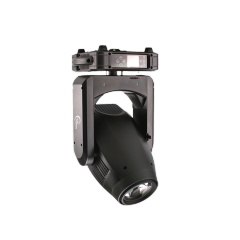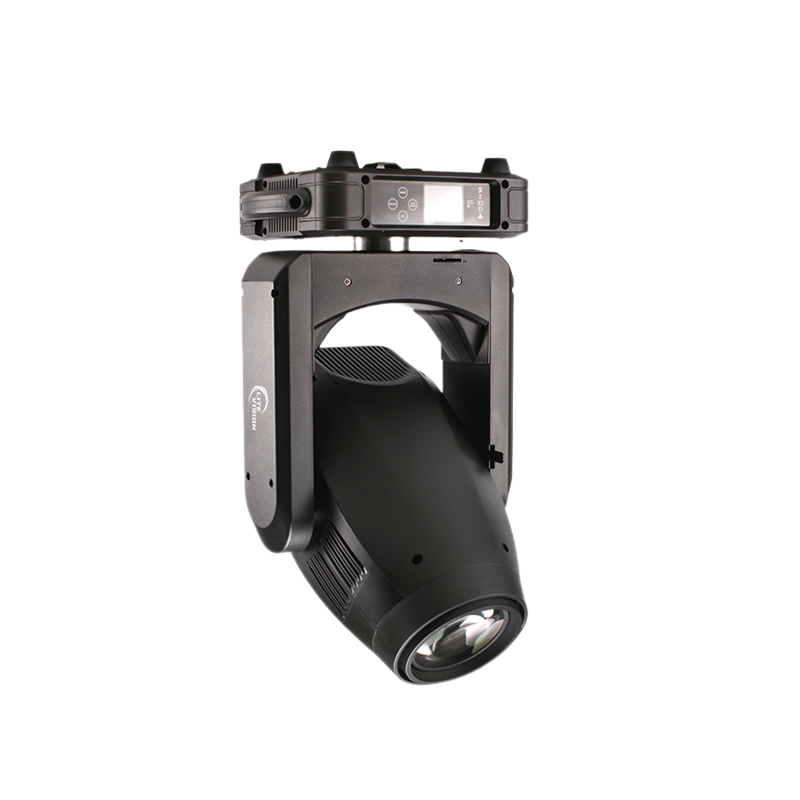
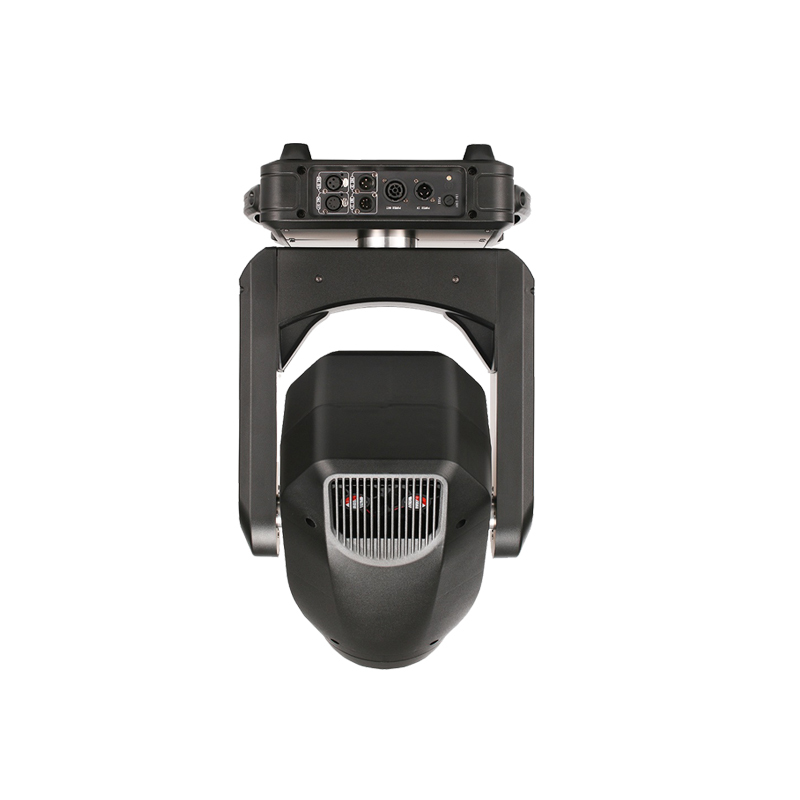
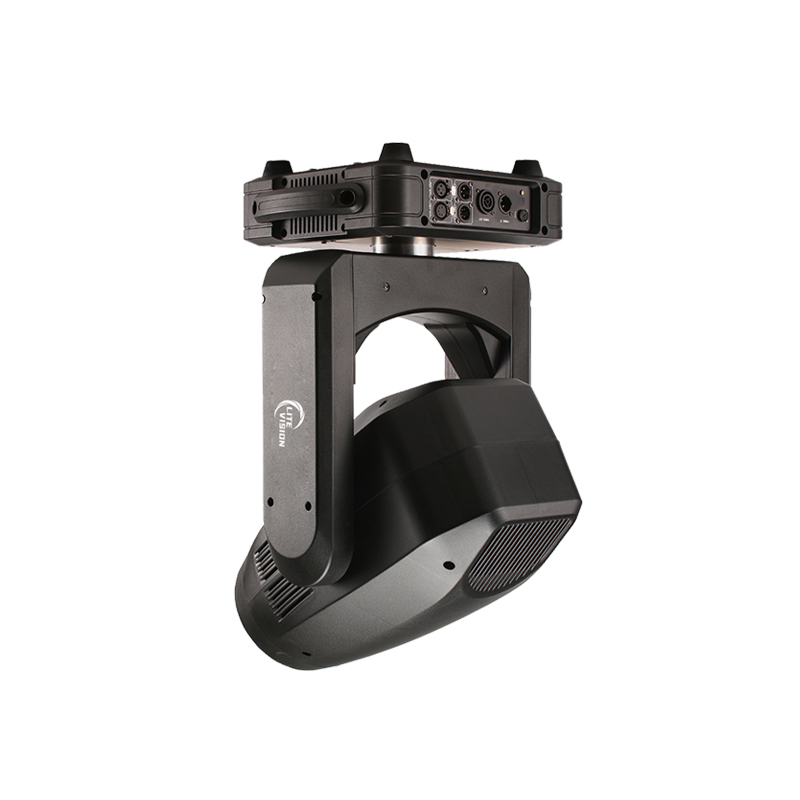
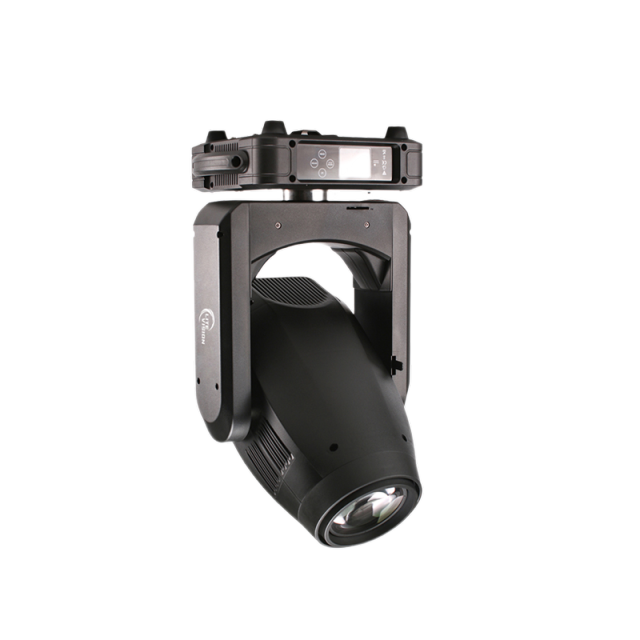
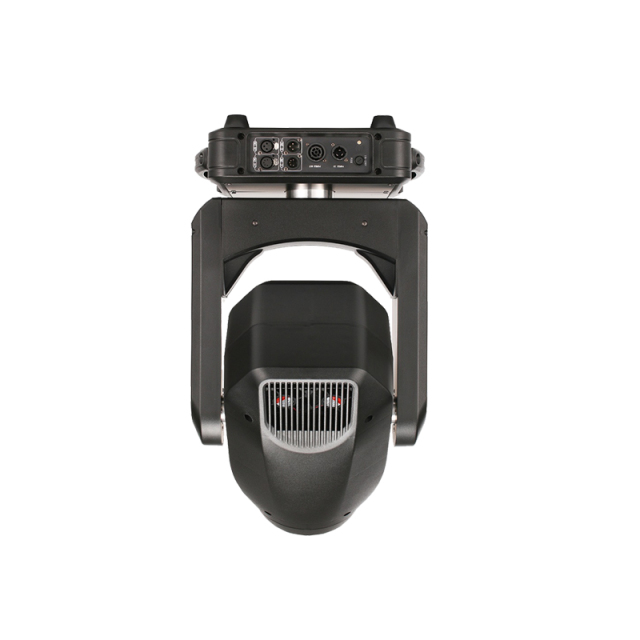
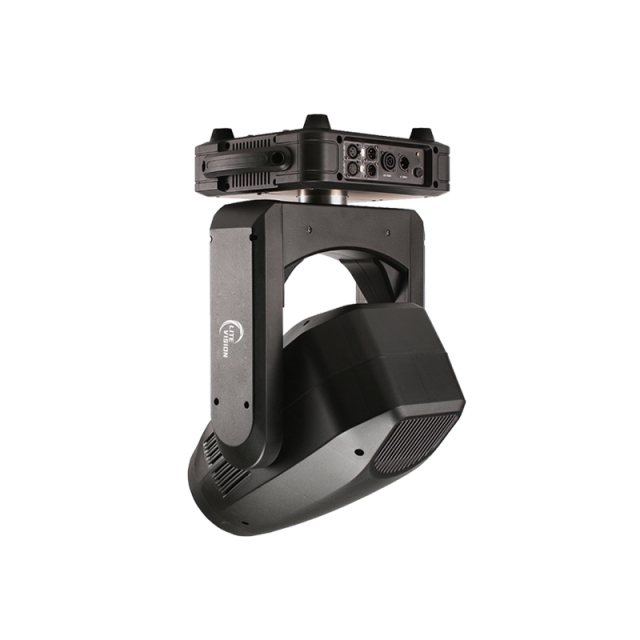
The Multi L600BSW is a single moving head that covers beam, spot and wash work on the same rig. Instead of loading a truss with three fixture types, you hang one and change its job from the console. Rental companies and touring productions are the natural home for a moving head stage light built like this. A warehouse that stocks beam, spot and wash units separately can put one hybrid model on the shelf instead, and a venue that changes its show every week gets a fixture that behaves predictably whichever role the design asks for. The three roles are not a compromise. Beam, spot and wash behaviour come from the same optical path and the same colour and gobo systems, so a look built in one mode carries across the others without re-plotting the rig. Designers keep their palette, their gobo choices and their focus points through the whole evening. Two gobo wheels, an animation wheel and a full CMY+CTO colour engine give the fixture a visual identity of its own. That matters when the same box has to hold a gobo moving head light position in a busking set and then carry a tightly focused special in a scripted show twenty minutes later. As a beam spot wash moving head supplier, we build this model for distributors, rental houses and integrators alongside our Framing, wash, follow spot and control ranges.
Set the address and choose a mode. The fixture offers 26 or 35 DMX channels; take the shorter mode when you want a compact patch and the longer one when the show needs every function on its own fader. Channel definitions for both modes come from us, so the console patch and the fixture agree from the first cue instead of being worked out on site. Load the console profile. Add the profile to the desk or the previsualisation file before the rig goes up. As an led moving head light manufacturer we keep channel definitions stable from batch to batch, so a file built last season still patches the same way. Switch on RDM. RDM lets you read and set addresses from the console rather than climbing the truss, which is the difference between a fifteen-minute reset and an hour. Add Art-Net if the rig is networked. Art-Net is available as an option on this model; confirm it at the ordering stage if your control architecture runs over Ethernet. Keep the data run clean. On any dmx moving head light, cable length, termination and splitter placement decide whether the rig behaves on the night, so keep splitters at the truss and terminate the last fixture in each run.
The fixture measures 29 × 39 × 74 cm and weighs 27 kg net. That is heavy enough to want a proper lift onto a truss, and light enough that one technician can move and hang a run of them during a changeover without waiting for a second pair of hands.
Packed, each unit occupies 38 × 46 × 84 cm. That carton size is the number to use when you cost freight or plan truck space for a moving head stage light, and as a beam spot wash moving head supplier we would rather you check it against your existing case stock before you commit to a full flight-case run.
Because it also works as a moving head wash light, it often ends up on front truss where positions are tight. Check pan clearance to the next fixture and the trim height before you finalise spacing, rather than fitting the rig into the last available metre.
A led spot moving head light at this size suits standard truss bars, but confirm clamp type and spacing against the truss you actually own — a layout that looks fine on paper can still clash at the yoke.
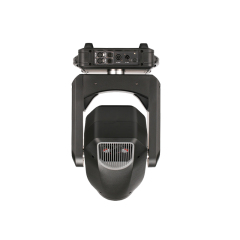
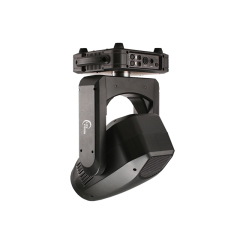
Keep the rear fan grille and the side vents clear when a moving head beam light hangs in a tight position or sits in a case. Matte black housing with a metal grille at the back is easy to work with, but blocked airflow is the one thing you want to avoid on a long show.
Colour on this fixture works in two layers. Continuous CMY mixing lets you dial any hue without stepping through a wheel, and a CTO channel shifts the whole rig from 2700 K tungsten warmth up to 6500 K daylight. Between them, a designer can match a stage full of camera-facing light or push the rig deliberately warm for a late-night look.
The separate colour wheel adds the effects layer: seven colours plus open, with a directional rainbow you can spin for movement. On a led spot moving head light that combination is what separates a usable colour wash from a fixture that can also carry a look on its own during a solo or a transition.
Zoomed out to 42°, the fixture behaves as a moving head wash light for front light, side fill or a full-stage colour bed. Zoomed in, the same colour engine feeds a hard beam. The colour you set keeps its character between those two jobs, which is the whole point of a hybrid.
In practice, CMY and CTO remove most gel work from the changeover. Warm and cool corrections happen at the console, in front of the audience if necessary, and a shift in scene temperature becomes a cue rather than a ladder job between numbers.
Check the colour range against the rest of the rig before you commit. If the show is built around warm tungsten stock, the CTO end is where you will live; for broadcast or daylight-matched work the cool end carries most of the night, and as a beam spot wash moving head supplier we can help you match either end to the fixtures already on the rig.
| Effect | Specification |
| Zoom | 6°–42°, linear |
| Zoom travel | Console-driven between the wide and narrow ends |
| Focus | 5–100%, electronic |
| Prism | 1 bidirectional 5-facet rotating prism, positionable |
| Iris | Fitted, for trimming the beam |
| Shutter | Electronic, 1–25 Hz or random |
| Shutter modes | Open, strobe and random |
| Dimming | 0–100%, linear |
| Frost | Heavy frost |
| Animation wheel | Dynamic water effect |
| Gobo shake | Shaking effect on the rotating and fixed gobo wheels |
| Movement | Specification |
| Pan | 540° standard, 630° optional |
| Pan resolution | 16-bit |
| Tilt | 270° |
| Tilt resolution | 16-bit |
| Position memory | Auto repositioning |
| Motion character | Fast, quiet and smooth |
| Mounting | Yoke-mounted bracket |
| Rigging orientation | Upright or inverted on the yoke |
Share the rig and the show. Venue or tour, number of positions, console and control architecture — those four answers let us confirm the configuration, including 540° or 630° pan and whether Art-Net is needed. Confirm the commercial terms. Lead time, minimum order quantity and volume breaks, payment terms and Incoterms are quoted per order rather than published, and they move with destination and quantity. Settle warranty and after-sales in writing. Warranty period and scope, the process for returns and quality disputes, and the route for spare parts are confirmed with your sales contact before the order is placed, so both sides know what happens if a fixture arrives damaged or develops a fault. Collect the technical files. The channel chart, user manual, packing data and photometric files are requested with the quotation, so your programmer and your freight forwarder can work in parallel with production. Agree packing and freight. We ship from our own Guangzhou facility, so the loading plan is set by the team that built the fixture. Keep one technical contact through delivery. The order, the documents and the after-sales questions stay with the same sales engineer, so a query about a spare part does not disappear into a general inbox.
More than 30 engineers with an average of 15+ years in professional lighting stand behind every order — the same people who answer your technical questions. Tell us your venue, rigging height, throw distance and existing control setup; we help match models, check protocol and channel fit, and build a package that works as one system. If a fixture misbehaves on site, we work through the fault with you and sort out spares. Installation and commissioning guidance come with the order. Founded in 2016, exporting since 2022, LITEVISION serves buyers in more than 80 countries from offices in the USA, Taiwan, Mexico and China.