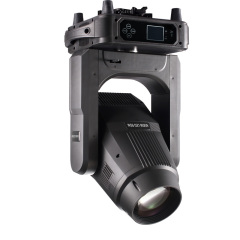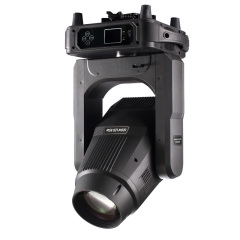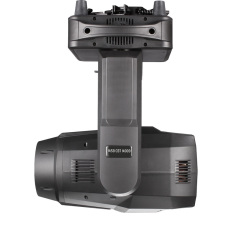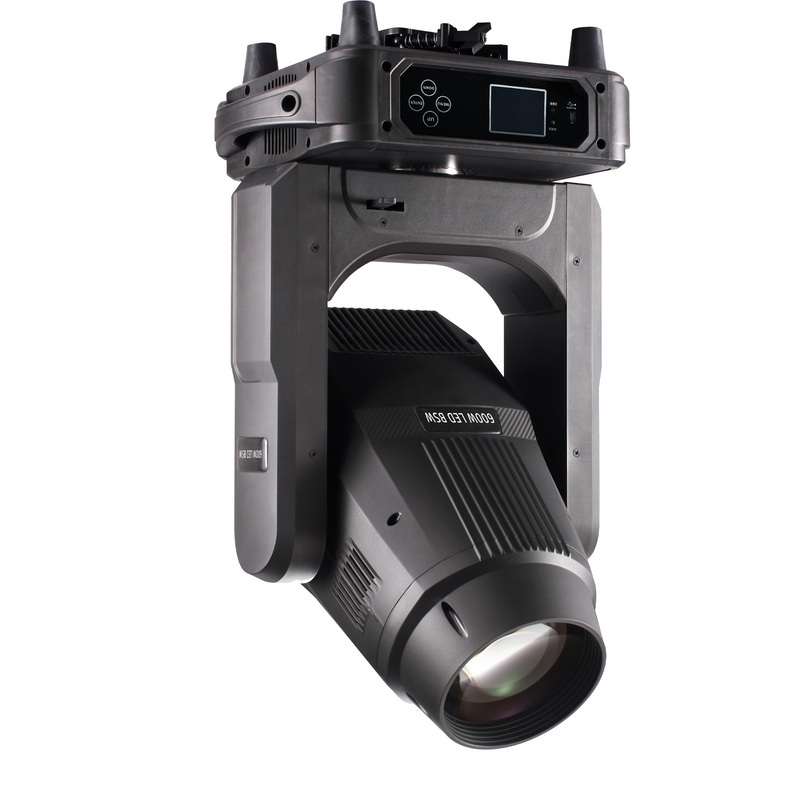
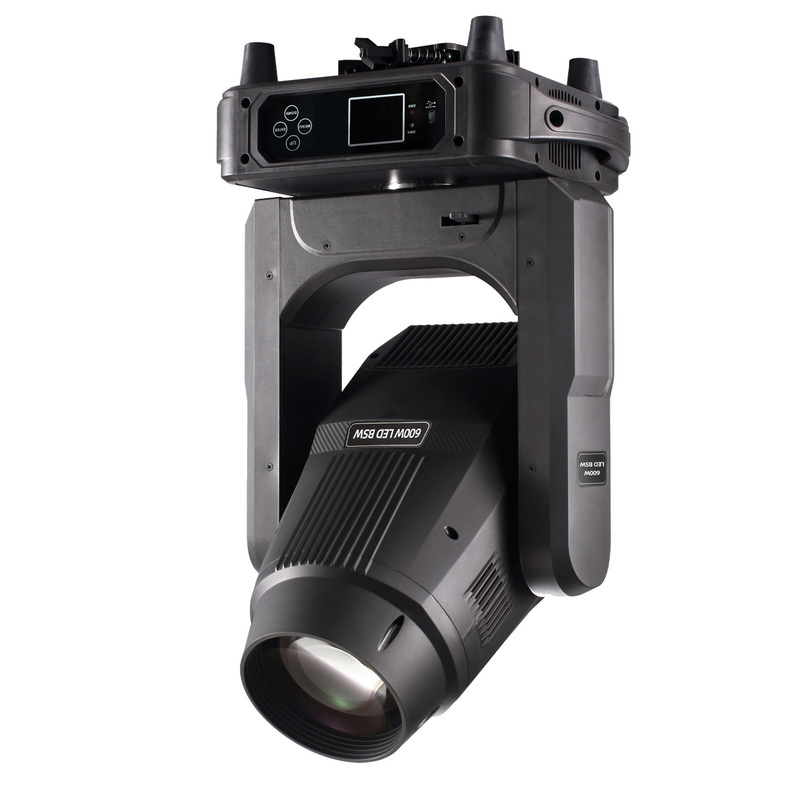
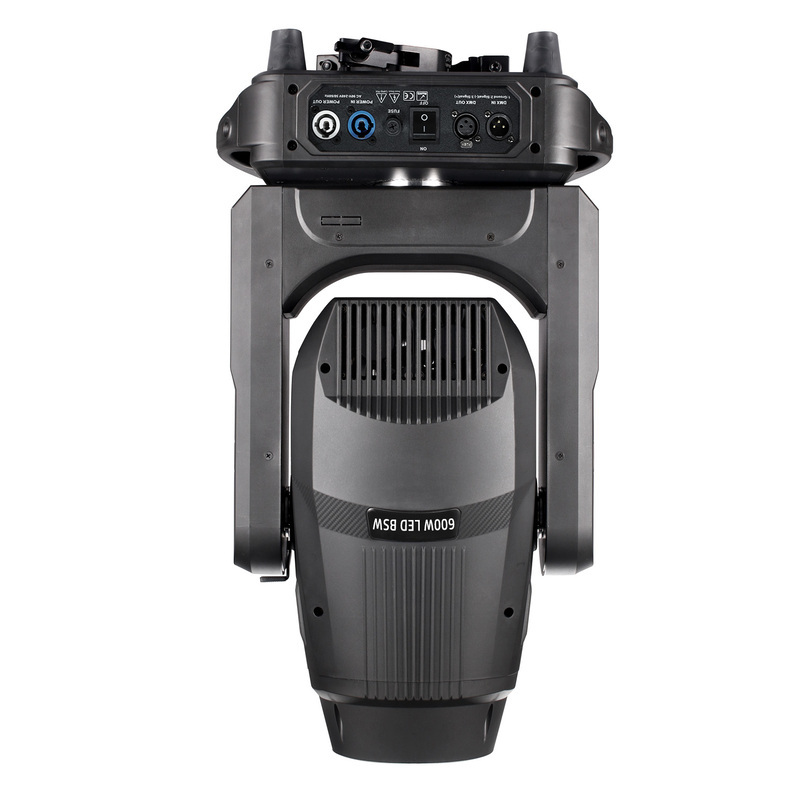
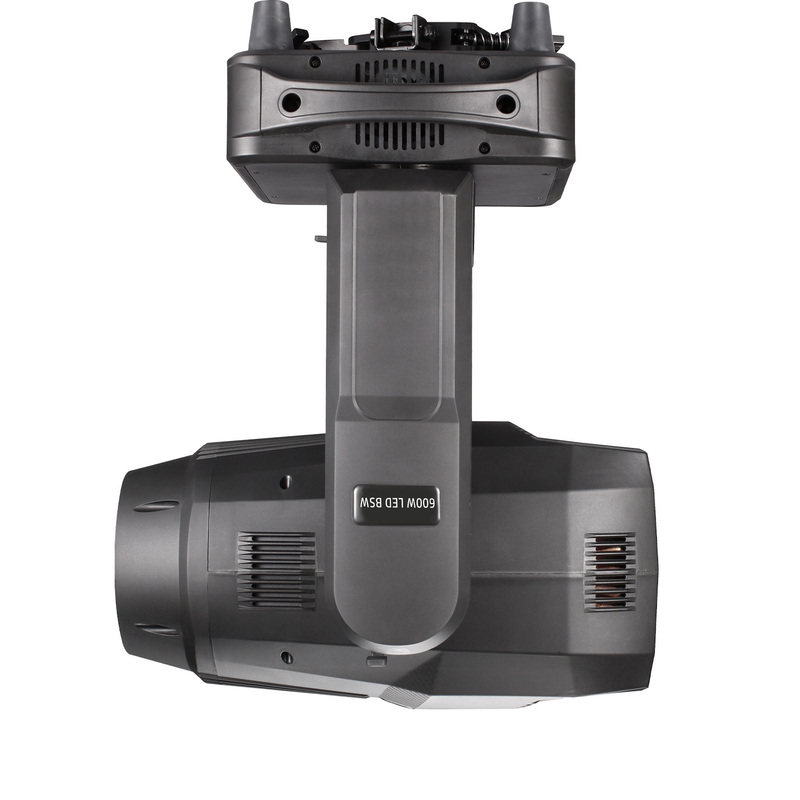
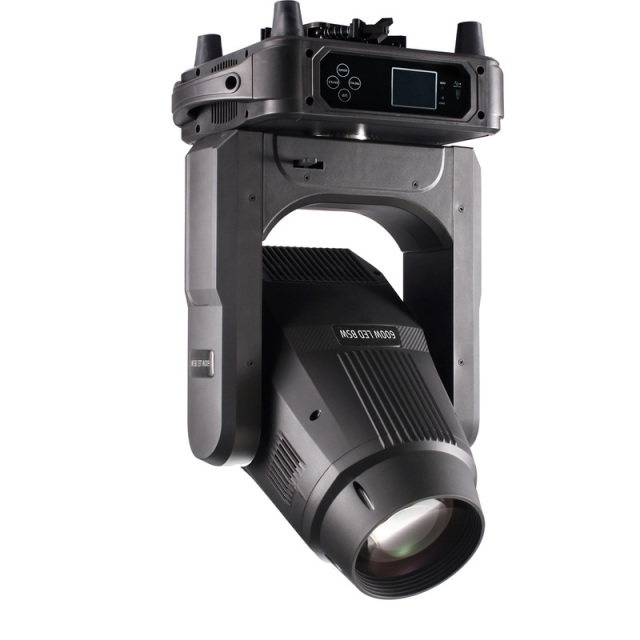
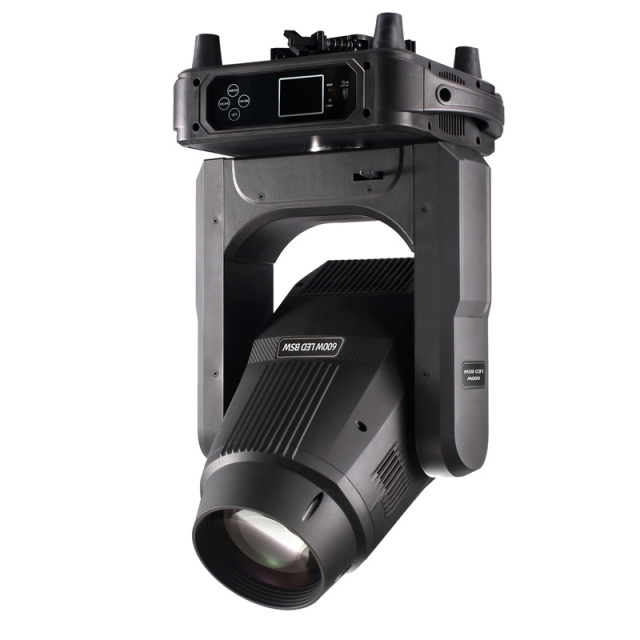
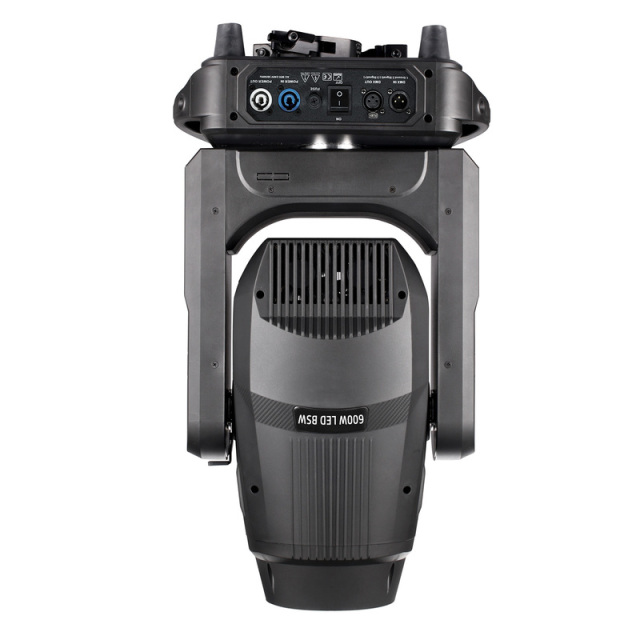
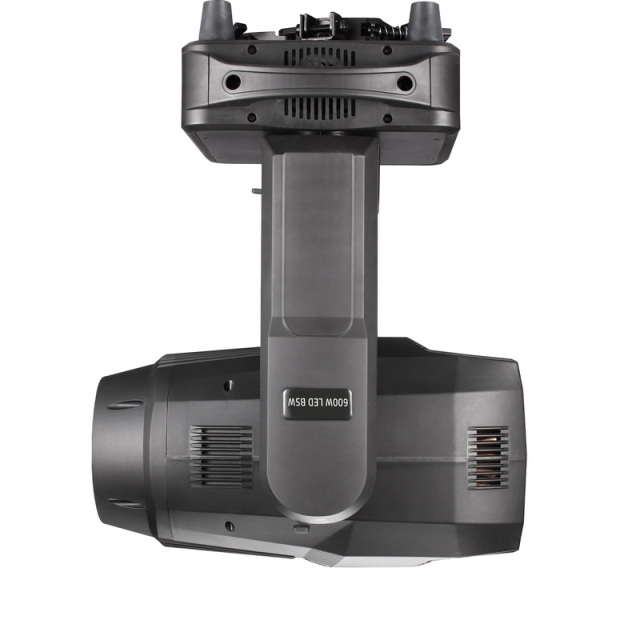
A 600W LED module powers the Multi LC600BSW beam/spot/wash hybrid, giving concert, indoor event and theatre teams aerial accents, projected textures and softer stage looks from one fixture. Linear CMY mixing, linear CTO adjustment and a color wheel with 8 colors plus open support color transitions, warming and split-color effects. For projection, 11 fixed gobos plus open and 7 rotating glass patterns provide static textures and animated looks, while independently rotating prisms add beam effects. An 8000K source with CRI>95, 0–100% linear dimming, focus adjustment from 4 to 50 meters and an independent frost filter give programmers control over intensity, projection focus and softness across changing cues.
Concert and indoor event cue lists can move from aerial accents to projected textures and softer stage looks with the Multi LC600BSW beam/spot/wash hybrid. Its functions give designers different ways to build an entrance, develop a musical section or change the mood between acts without treating every cue as the same effect.
Rental crews can prepare a moving head led light for different show styles by building separate movement, color and projection palettes. Keeping those palettes organized makes it easier to adapt a programmed look to a new stage layout while preserving the intended visual character.
School productions and performance venues can use theatrical stage lighting to add scenery texture, transitions and musical accents. Dedicated front light remains useful for dialogue and facial illumination, while the hybrid handles effects that change with the performance.
Nightclub and live-entertainment operators can integrate professional led stage lighting into programmed sets, using restrained backgrounds during quieter sections and more active effects during musical peaks. The movement and projection should support the room's sightlines and performance area.
Dedicated profile fixtures complement this hybrid when scenery or performers need shutter-defined edges; separate wash fixtures can maintain a steady background while effects change elsewhere. Discuss that complete fixture schedule with LITEVISION as your stage lighting equipment supplier, including the control and distribution equipment needed for the rig.
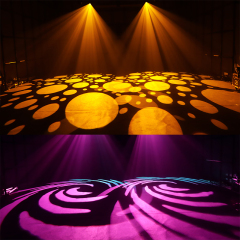
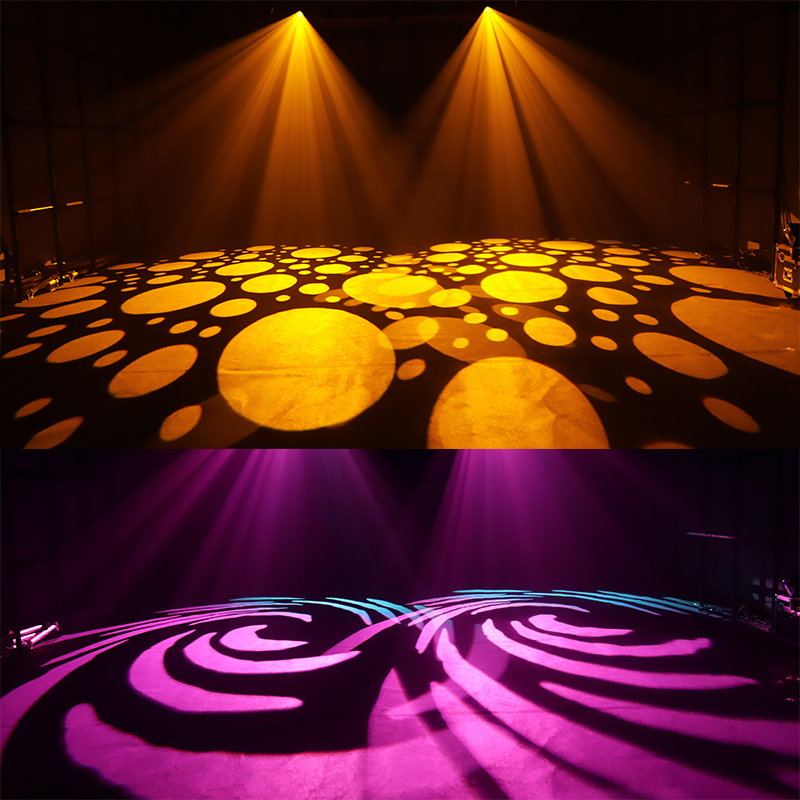
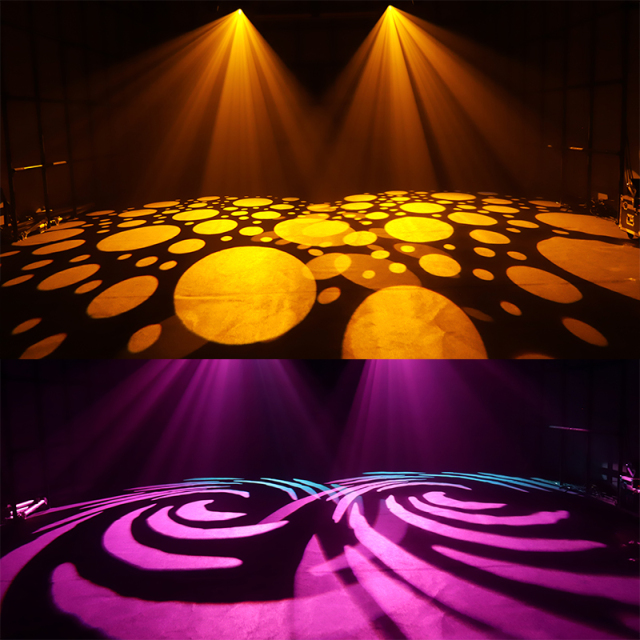
Linear CMY mixing creates color transitions rather than limiting every cue to a fixed wheel position. Separate color palettes help programmers reuse a look with this DMX LED fixture while changing its timing elsewhere in the show. Linear CTO adjustment adds warming control alongside CMY. Rehearse warmer cues at their intended show intensity when programming this dimmable LED fixture, because the surrounding illumination affects how the finished look is perceived. The color wheel provides 8 colors + open, with a half-color function for split-color effects. The open position also gives programmers a clear alternative to a wheel-selected color. A bank of 11 fixed gobos + open gives this fixture a set of static projection textures. Pattern choice can establish a background motif while movement and color remain separately programmed. The rotating wheel carries 7 glass patterns, each with independent forward and reverse rotation. In theatrical applications, changing rotation direction can alter the character of an animated scene without changing its pattern. A standard single 6-facet prism and an additional “8 prism” each support independent forward and reverse rotation. Verify the second prism's facet configuration when matching a design that depends on a particular beam split. Amber beams, circular patterns, magenta swirling projections and cyan accents illustrate the range of visual treatments. These demonstrations show effect possibilities rather than a separate list of selectable color variants.
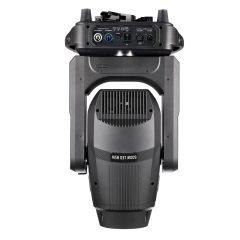
Start at the LCD display and set the fixture address for the intended patch. The control mode uses 23 channels, so reserve the corresponding address space before adding the unit to a show file. Patch this fixture through DMX512 using the appropriate console personality. This fixture shares a DMX control protocol, but a protocol match alone does not establish that a particular console library entry maps every function correctly. Use RDM for the supported remote-management functions and address configuration. Software upgrade capability is available; record the installed firmware when maintaining a rig assembled from different suppliers. Build movement positions within Pan: 540 degrees and Tilt: 270 degrees. Both axes use 16bit precision scanning with electronic error correction; check the programmed travel of this moving head LED fixture before recording performance cues. Program pulse sequences with the strobe macro function when a cue calls for repeated flashes. Review those cues separately from this fixture’s LED dimming fades so the operator can distinguish deliberate pulse effects from intensity transitions. Select console-controlled operation, self-propelled mode or master-slave mode according to the show setup. Establish which unit controls the sequence before running a linked group, rather than leaving fixtures in different operating modes. Use the console reset function during a controlled setup period. Keep the movement area clear and recheck the intended operating state before returning this fixture to the show.
High temperature resistant plastic forms the outer housing, with a dark matte finish around the head and base. Handle the moving head led light by appropriate structural handling points rather than lifting it by the lens or forcing the head against its movement mechanism.
An axial fan enhances cooling through the vented housing. Keep the air paths clear of fabric, accumulated dust and nearby equipment; for a led spot moving head light, an unobstructed cooling route is part of normal operating preparation.
Electronic temperature control provides overheating protection. A further automatic power-off protection function responds when the overheating system fails. If protection is triggered, stop operation and have the cause investigated rather than repeatedly restarting the fixture.
The large circular lens and external housing need careful cleaning with the power isolated and the unit cooled. Follow the operating manual for suitable cleaning materials, keep liquids away from openings and avoid pressing abrasive material against optical surfaces. Internal cleaning and repairs belong with qualified technicians.
Fan-cooled professional led stage lighting should be heard in the actual room when quiet passages matter. Listen from audience and microphone positions under realistic operating conditions, especially in spoken-word performances where background sound is easier to notice.
Camera work needs a separate practical check. Test dimmable led stage lighting at the intended fade levels, frame rate and shutter settings; color-rendering information alone does not establish how a camera will record fades or effects.
Source, optical and electrical figures belong in a model-specific specification sheet that can accompany the installation records. Request current technical-document availability from LITEVISION, your equipment supplier, before relying on a file for the final design. An operating manual provides the fixture-specific instructions needed by the people running and maintaining this fixture. Use the applicable revision for the installed unit, particularly for menu instructions and operating procedures. A DMX channel chart gives programmers the function ranges needed to build or check a personality for this LED fixture. Match the chart and any console fixture file to the installed firmware rather than assuming that similarly named entries are interchangeable. Photometric files are needed for illuminance and coverage calculations at the intended throw distance. Verify the narrow-end spot angle in the final optical data before fixing the design, and use measurements with their stated test conditions rather than estimating output from source wattage. Market-specific compliance records need to identify the exact model and applicable requirements. For installations combining equipment from several suppliers, retain the relevant documents for each fixture; a housing marking alone does not establish the scope of a test report. Dimensional drawings and service references help technicians document attachment geometry and identify replacement components correctly. Use the unit's identification and the relevant part reference when arranging technical service, without assuming that parts from another hybrid will interchange.
LITEVISION brings together more than 30 engineers who have worked in the industry for an average of 15+ years. Share your purchasing requirements and the models you are considering to discuss the available options with our team. We provide product maintenance and technical support, with customer service staff available to answer your questions and help address issues. Whether you are comparing options before ordering or need assistance after purchase, contact us with your technical questions and maintenance concerns.