Product Overview
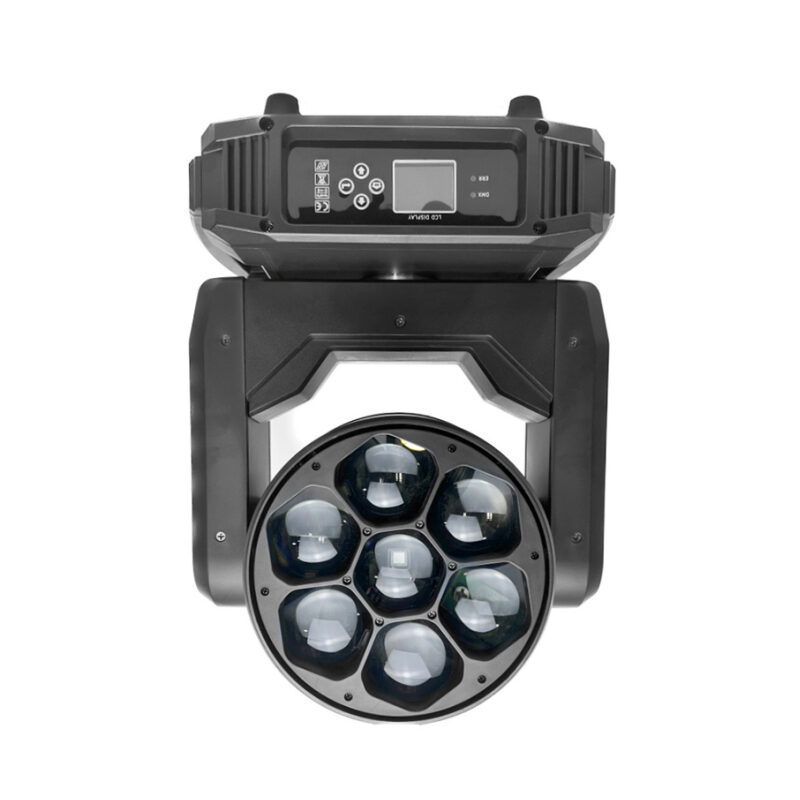
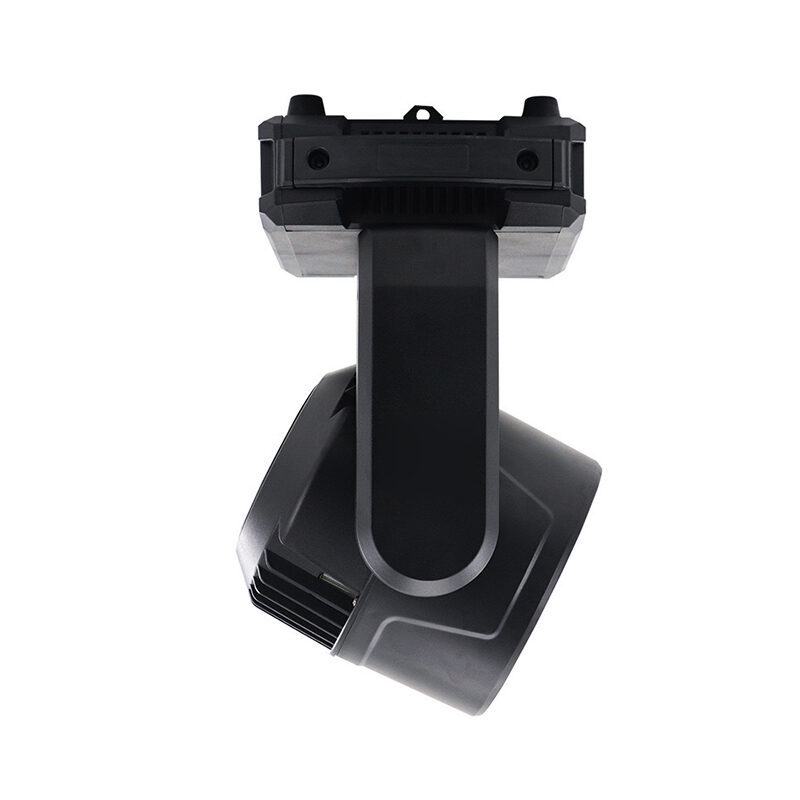
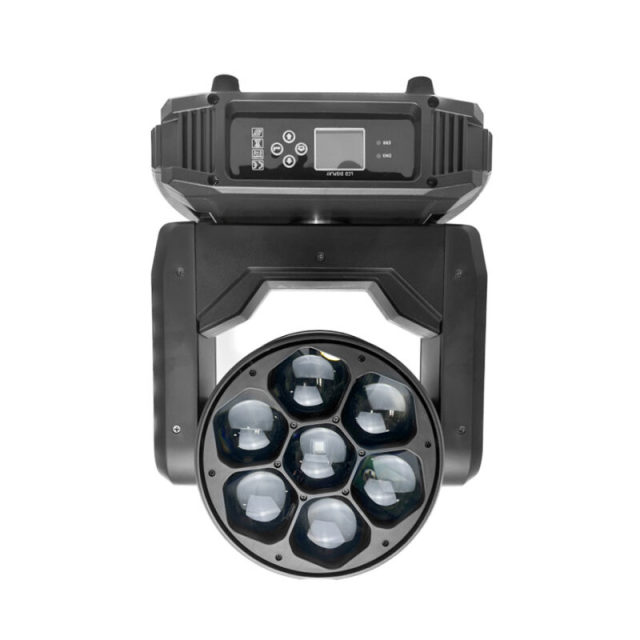
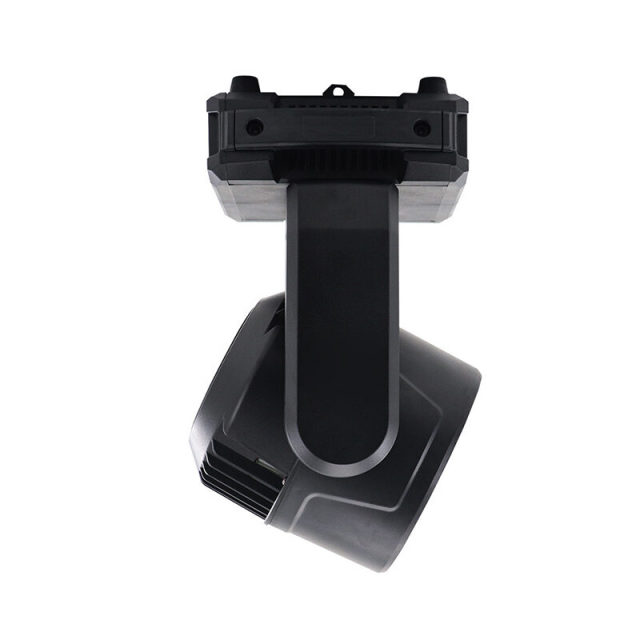
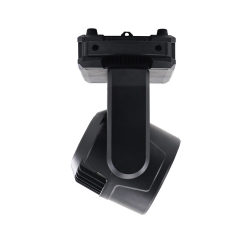
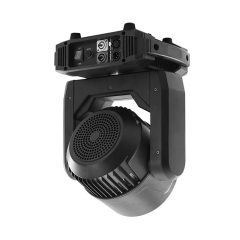
Seven 40 W RGBW emitters sit behind a faceted front lens array inside a moulded black housing carried on a slim U-shaped yoke. That is the short version of the Ommatea Y740K, a led moving head light built to cover wash, beam, graphic and effect work from one fixture. It hangs from a clamp on a truss or stand, sits on the floor as an uplighter, and stays light enough for one technician to lift into position on a ladder.
Most rooms that buy this model are not starting a full led stage lighting build. They are fitting out a bar, a school hall, a church, a function room or a small club, and they want a handful of fixtures that make the room look considered. The bee-eye family runs from this compact seven-emitter version up to 19-emitter models for larger stages and longer throws, and because every model comes off the same moving head light factory, the programming style and colour language carry across the range as a venue grows.
Light Source & Colour Engine
- Four-in-one RGBW mixing. Red, green, blue and white are generated inside each emitter instead of through a colour wheel, so a colour change happens in the chip with no mechanical part between cues.
- Two ways to think about colour. RGBW mode gives fast, saturated looks for club and party work; CMY mode suits designers who mix subtractively and want pastel blends that sit comfortably beside other CMY fixtures on the rig.
- Clean open white. The white channel produces an unfiltered white for front light and face light in small venues, without running red, green and blue at full to fake it.
- Comfortable for a dj moving head light. A mobile operator can call up a colour, set a slow lens rotation and leave it running; nothing needs re-patching between sets and there is no gel to change.
- Even coverage or a tight pool. Working as a moving head wash light, the lens array spreads colour evenly across a floor; narrowed down, the same output concentrates into a punchier pool for accent looks.
- Check the white before you commit. White is mixed from four channels rather than set on a fixed colour-temperature dial, so put the fixture beside your existing lights and compare the white before ordering a full rig.
Optics, Rotation & Effects
A lens that keeps turning. The front lens array rotates continuously in either direction with no end stop, so a slow rotation can run through an entire set without snapping back to a start position. Held against a pan or tilt move in haze, that rotation is what produces the vortex look: colour spiralling out of the head rather than a static pool on the floor. Kaleidoscope and built-in dynamics. Because the array carries several lenses, continuous rotation splits and recombines the beam into kaleidoscope patterns. The fixture also carries variable built-in dynamic effects, which is what makes it work in rooms where nobody is driving a console — the unit keeps producing movement on its own while the operator runs the night. Four jobs from one head. Wash, beam, graphic and effect functions all come from the same lens assembly. Open it up for a soft, even wash; close it down and push through haze and the fixture reads as a moving head beam light, with a hard-edged shaft cutting across the room. Strobe runs between 1 and 25 Hz in random and pulse patterns for the moments that need it.
Control, Channels & Protocol
- 17 or 65 channels. The compact mode keeps the patch short for small rigs and simple cue stacks; the fuller mode puts the whole parameter set on the desk when a programmer wants every function available.
- DMX512 with RDM. Standard DMX512 in and out, and RDM lets a compatible desk or RDM controller read and change the address from the control position instead of from a ladder.
- Master-slave. Set one unit as master and the rest mirror it, which is handy when a venue has no console and wants every fixture doing the same thing.
- Stand-alone. Built-in programs run with no desk connected at all, which is how most bars and function rooms end up using the fixture night after night.
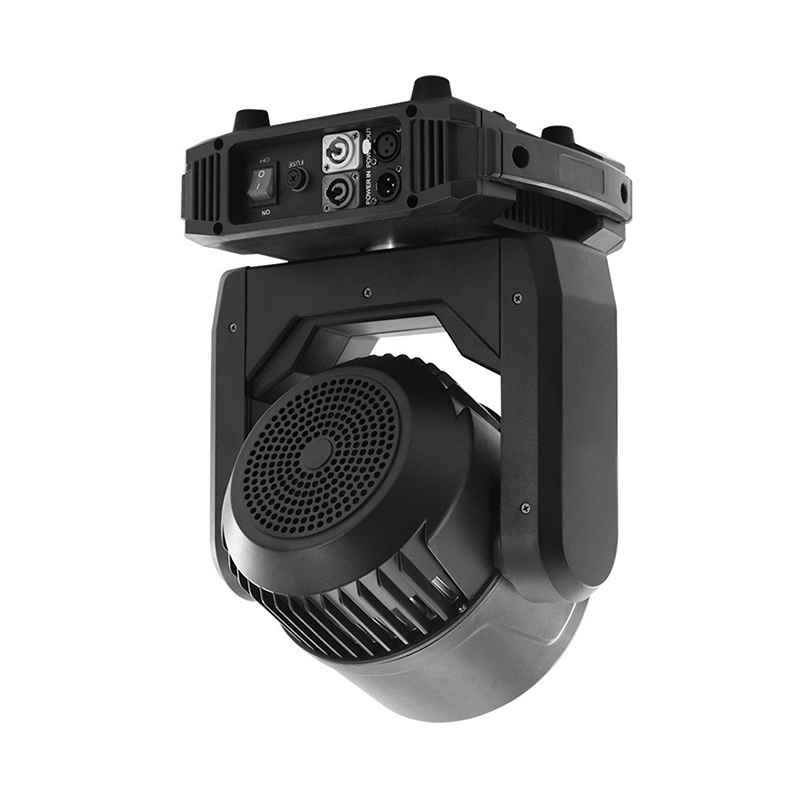
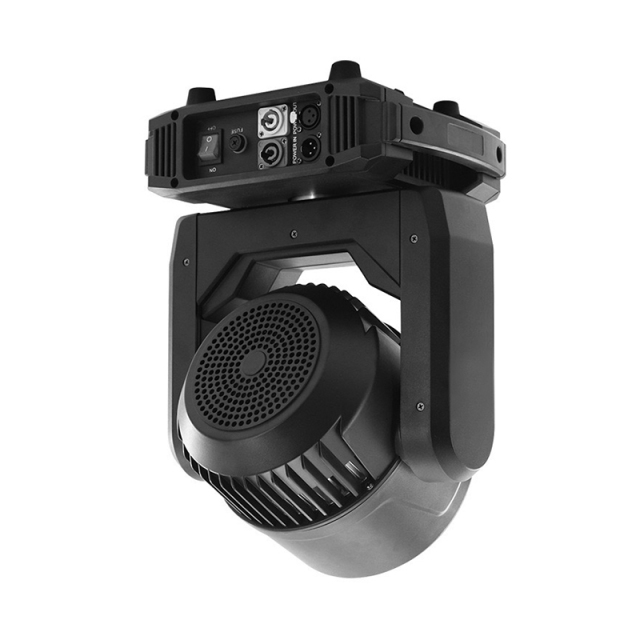
- Loop in and out. The rear panel carries DMX IN and DMX OUT, so a run of fixtures can be daisy-chained without a separate splitter on short runs.
- Addressing from the front panel. The display on the base sets address, mode and menu options without a laptop at the truss.
- Patches like any other fixture. Load the personality into the desk or build one from the channel chart; it behaves like any led moving head light on a standard universe.
- One language across the range. Channel conventions match the rest of the Ommatea line, so a programmer moving between a moving head stage light in the same family and this model spends less time rebuilding cues.
Power, Rigging & Environment
When you plan a circuit, work the draw out from that input figure and your local voltage, and leave headroom for the rest of the bar. Power looping. The rear panel carries POWER IN and POWER OUT alongside the DMX ports, which lets several fixtures share one feed within the rating of that circuit. Long chains still belong on a distro with proper breakers; the through port is there to save cable runs, not to replace circuit planning. It suits indoor led stage lighting rigs, covered stages and rooms with a roof over them; it is not built to sit in direct rain or stand uncovered in a courtyard or on an open deck. If a job needs open-air mounting, plan a permanent cover or move to the outdoor models in the range. Cooling. A fan grille at the rear handles airflow. Leave clearance behind the fixture when it is racked or flown close to a wall, and blow dust out of the housing at service intervals rather than letting it pack into the grille. Rigging. The yoke takes a clamp for truss or stand mounting, and the head can also sit on the floor as an uplighter. Use rated hardware and a secondary safety bond per local rules, and check the structure you are hanging from before you add fixtures to it. Hot rooms. Ambient temperature is not fixed in the specification, so if the fixture is going into an unventilated roof void or a hot climate, tell us where it is going — as a led moving head light manufacturer we would rather check the operating range with the engineering team than leave you to find the limit on site.
Applications & Venue Fit
- Bar and club floors. Two to four units over a dance floor, running as a moving head wash light through the early part of the night and pulling into tighter pools and rotation for the peak hours.
- Small live stages. Back light and side light for bands in rooms with a low grid, where a moving head stage light has to stay out of the sightlines and off the front truss.
- Mobile DJ and wedding work. The fixture packs the way a dj moving head light should: one case, quick clamp, stand-alone programs, and no console to set up at the side of the dance floor.
- Haze and aerial looks. With haze in the room, beam duty gives the shaft and the sweeping cut that a moving head beam light is bought for.
- Halls, churches and community venues. Run in stand-alone or master-slave so a volunteer can switch on and leave it; no programming knowledge needed.
- Rental and cross-hire stock. It sits below the 19-emitter versions in the same family, so a rental desk can quote the compact model for smaller rooms and the larger ones for festival stages from one console file.
Technical Specifications
| Input voltage | AC110-240V, 50/60 Hz |
| Input power | 350W |
| Light source | 7 x 40W RGBW 4-in-1 LED |
| LED lifespan | 50,000 hours |
| Optical functions | Wash / Beam / Graphic / Effects |
| Front lens | Continuous infinite rotation |
| Colour modes | RGBW and CMY |
| Dimming | 0-100% linear, 16-bit, 4 curves |
| Strobe | 1-25 Hz, random and pulse flash |
| DMX channels | 17CH / 65CH |
| Control | DMX512, RDM, master-slave, stand-alone |
| Protection rating | IP20 |
| Net weight | 15 kg |
| Fixture size | 30.7 x 22.4 x 38 cm |
Packing & Transport Options
Single carton. Each fixture travels in a 35 x 25 x 45 cm carton at 19 kg gross, one unit per box, with the yoke and bracket protected inside. That is the right format for a dealer receiving stock, for a shop selling one or two units, and for parcel or air freight where a road case would be wasted. Four-in-one flycase. For rental and touring work the four-in-one flycase measures 89 x 54 x 62 cm and weighs 88 kg loaded with four fixtures. Four heads in one case keeps load-in to one lift per four units and protects the lenses during truck transit. Choosing between them. Dealers usually take cartons and add a case or two for demo stock; rental companies order cases together with the fixtures so the case arrives matched to the head. Tell us which format you want when you order, because the case is packed and shipped with the fixtures rather than sourced later. Loading and stacking. Cartons stack and palletise for container loads and are the sensible choice when a shipment goes straight into a warehouse. Loaded flycases are heavy and want a ramp, a tail-lift or a loading bay rather than a manual lift.
Ordering, Documents & Downloads
- Tell us the room. Ceiling height, throw distance, how much of the floor needs covering, whether the fixture will do wash or beam duty, and whether a console is part of the plan. Quantity follows from that, not from a catalogue page.
- Confirm the model and the quantity. Ask your sales contact about minimum quantities and volume pricing for this model, and about mixing it with the larger bee-eye versions in one order.
- Agree the schedule. Production lead time and delivery dates depend on the season and the size of the order, so confirm both against your install date or opening night before you publish a programme.
- Settle the commercial terms. Payment method, trade terms and who carries the freight are agreed per order with your sales contact.
- Take the documents. Specification sheet, user manual, DMX channel chart and photometric files are available from the download area or directly from your sales contact. Get them before programming or lighting design starts, not after the fixtures land.
- Cover warranty, returns and compliance. Ask for the warranty period and what it covers, the process for transit damage or a quality claim, and the test reports or compliance documents your market requires. We supply the documents that apply to your destination rather than assuming one certificate fits every country.
- Talk to the people who build it. We are a led moving head light manufacturer working out of Huadu, Guangzhou, so rigging questions, firmware behaviour and channel definitions go to the engineering team rather than a call centre.
Technical Support & Model Matching
More than 30 engineers with an average of 15+ years in professional lighting stand behind every order — the same people who answer your technical questions. Tell us your venue, rigging height, throw distance and existing control setup; we help match models, check protocol and channel fit, and build a package that works as one system. If a fixture misbehaves on site, we work through the fault with you and sort out spares. Installation and commissioning guidance come with the order. Founded in 2016, exporting since 2022, LITEVISION serves buyers in more than 80 countries from offices in the USA, Taiwan, Mexico and China.
FAQ
What does the rotating front lens actually add on a show?
It removes the end stop. Most effect lenses travel to a limit and come back; this one keeps turning continuously in either direction, so a slow rotation can run for a whole set. Combined with pan and tilt in haze it produces the vortex spiral, and with the multi-lens array it breaks the beam into kaleidoscope patterns. When the arrangement calls for a hard shaft instead, close the lens down and the fixture works as a moving head beam light.
Can it run without a lighting console?
Yes. Stand-alone mode plays the built-in programs with no desk connected, and master-slave lets one fixture lead the rest so a room full of them stays synchronised. That is how a lot of bars, function rooms and dj moving head light setups use it: switch on, pick a program, leave it. When a console is available, the same fixture takes a normal DMX512 patch.
How do I patch it into my desk?
Choose 17 or 65 channels, set the address on the front panel display, and patch it like any other led moving head light on a standard DMX512 universe. You can load a fixture personality into the desk or build one from the channel chart. RDM lets a compatible desk read the address back and change it remotely, which saves a ladder trip once the rig is flown.
Can it be used outdoors if it sits under a roof?
The rating is IP20, which means dry, indoor conditions. A covered stage, a tent with the fixture well inside it, or a veranda protected from wind-driven rain is a judgement call for your site; direct rain, sprinklers and open decks are not. If a job needs genuine outdoor led stage lighting, look at the outdoor models in the range and keep this one for covered positions.
How many fixtures can I put on one power feed?
The rear panel has POWER IN and POWER OUT for looping, and each unit draws a fixed amount set by its 350 W input. Divide that figure by your local voltage to get the current per fixture, then plan the chain against the breaker rating with headroom left for the rest of the rig. Treat it like any moving head stage light on a distro: fewer units per chain than you think, spread across circuits.
When should I move up to a bigger bee-eye model?
This is the compact one: it suits low grids, short throws and rooms where four to six fixtures cover the floor. Once the throw gets longer or the room holds several hundred people, step up to the 19-emitter versions in the same family — more output per fixture and fewer units to hang. As a led moving head light manufacturer we build both ends of that range, so we can quote the mix for one room instead of selling you the largest box.
Does it work as a front wash for a small stage?
Yes, that is its day job. As a moving head wash light it covers a floor or a small stage evenly, the white channel gives clean front light for faces, and the four dimming curves let it fade in step with the rest of the rig. Where it earns its keep is switching roles mid-show: the same unit washes the room for speeches and tightens into a beam look when the band comes on.
Can we order it with our own branding?
We handle OEM and ODM work at our moving head light factory, including branding and packaging across the Ommatea range. Send the artwork and the market you sell into, and the team will confirm what is possible for your order and what needs to change in the documentation.