Product Overview
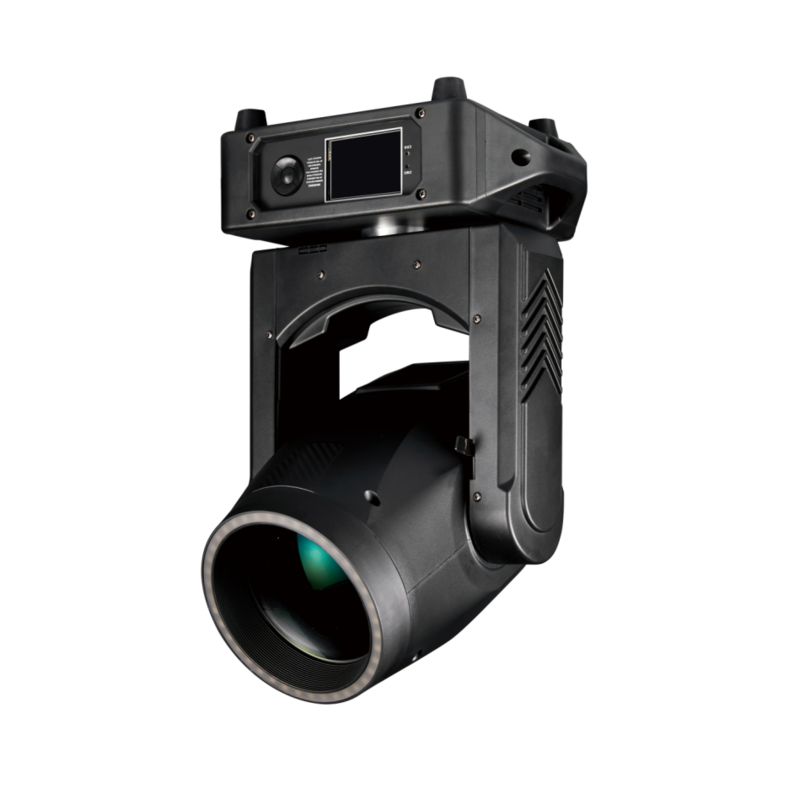
A 260W bulb sits behind the large circular front lens of the Beam 260 Mini, and that single lamp is what gives this beam moving head light its tight, hard-edged column instead of a soft spread. The fixture is built for dry, covered rooms: nightclubs, live rooms, school and theatre stages, rehearsal studios and event halls. A ring of LEDs around the front lens leaves the audience-facing side of the head lit, which separates it from the flat black face of a typical wash fixture. At this size the mini moving head light is aimed at distributors filling a lamp-based beam slot, at rental fleets adding a compact punch effect, and at venues that want a beam look to contrast with the LED washes they already own.
Specifications
| Specification | Detail |
|---|
| Fixture type | beam moving head light with LED ring |
| Light source | 260W bulb |
| Power consumption | 300W |
| Beam | Single-lens, tight beam effect |
| Front accent | LED ring around the lens |
| IP rating | IP 20 |
| Use environment | Indoor, dry, covered rigs |
| Head and support | Moving head on a pivoting yoke |
| On-fixture controls | Integrated display and menu keys |
| Mounting | Flown from a bar or standing on the floor |
Key Features
- 300W total draw: lamp, LED ring, motors and electronics together pull 300W, which is modest for a moving head beam light and leaves room on a venue supply for wash and strobe units alongside it.
- Compact MINI body: several units pack into one road case, and the head fits grids where a full-size beam will not hang comfortably.
- On-board display and menu keys: a technician can set a moving head stage light from the truss instead of walking back to the desk, which shortens changeovers.
- Single front lens: one large optic keeps the beam edge crisp and is quick to wipe down between shows.
- Show-ready format: identical units line up on a bar and re-aim quickly between numbers, which suits a moving head light show that changes shape every few songs.
Bulb Source & LED Ring
Bulb and LED do not produce the same beam, and the difference shows the moment haze is in the air: the 260W lamp behind the front lens of this fixture holds a crisp edge out along its throw, while small LED engines tend to bloom into a softer cone. Choosing that source is the first decision any beam moving head light manufacturer makes on a beam product, because it fixes the character of the light, the service routine and the spares list for the life of the unit. The LED ring works separately. It sits around the lens, lights the audience-facing face of the head and keeps the fixture readable in a dark rig; it is an accent rather than a colour source for the beam. Treat the lamp as a consumable: let the head cool before anything is opened, keep the vents clear of drape, scenery and neighbouring fixtures, and hold a matching spare so one failure never takes a show down. Running hours, not calendar age, are the honest measure of a tired lamp, which is why rental operations log hours per unit and compare heads side by side under the same haze. Airflow matters as much as the lamp itself — a compact mini moving head light packs a hot source and its electronics into a small housing, so a head jammed against a backdrop runs hotter than one with room to breathe. The front lens takes a soft dry cloth; abrasive cloths and solvents risk marking the glass and softening the edge the beam depends on.
Applications
- Club and bar floors: two or four heads on the rear truss give a moving head dj light the punch to cut across a crowded dance floor, with the beam staying visible above the audience rather than washing into them.
- Live music rooms and touring: the tight column is what carries intros, drops and guitar breaks, and a single head can hold a stage's attention between bigger looks.
- School, theatre and community stages: a moving head stage light that suits programmed cue stacks for assemblies, plays and end-of-term shows, where one operator runs the whole rig.
- Corporate and event halls: flown in pairs, the fixture builds a moving head light show for award nights, launches and conference openings without needing a large rig behind it.
- Rental stock: identical units are interchangeable between jobs, so a head can be swapped without rebuilding the show file for the whole rig.
- Themed rooms and party venues: aimed across a floor or up a wall, the unit adds a moving column of light to a room that otherwise has only static fixtures.
Installation & Commissioning
- Check the fixture against the packing list and inspect the front lens and housing for transit damage before it goes anywhere near a truss.
- Clamp the yoke to a bar rated for the fixture and fit a safety cable as your rigging rules require before the unit is flown.
- Leave clearance around the vents and in front of the lens, because the lamp needs air and the beam needs a clear path into the room.
- Keep the rig indoors and off open-air stages or damp ground, since this mini moving head light is rated IP
- Connect power and signal, then set the address and working mode from the rear display before the console patch is finalised.
- Run every movement and output cue while the bar is still at working height, so a snagged cable or an obstruction shows up before doors open.
- Record the unit number, lamp type and settings on the patch sheet and keep a copy in the case, so the moving head light factory can answer any later question against the exact build rather than the model in general.
Documents & Downloads
| Document | What it covers |
| Specification sheet | Light source, power draw and IP rating as built |
| User manual | Menu structure, addressing and day-to-day operation |
| DMX channel chart | Channel layout and working modes for the version you are patching |
| Photometric data | Beam width and illuminance figures for this moving head beam light |
| Fixture library file | Console personality so the fixture appears correctly in your patch |
| Installation drawing | Mounting points, clearances and service access |
| Build record | Unit number, lamp type and settings held at the moving head light factory |
Technical Support & Model Matching
LITEVISION brings together more than 30 engineers who have worked in the industry for an average of 15+ years. Share your purchasing requirements and the models you are considering to discuss the available options with our team. We provide product maintenance and technical support, with customer service staff available to answer your questions and help address issues. Whether you are comparing options before ordering or need assistance after purchase, contact us with your technical questions and maintenance concerns.
FAQ
Do the 260W and 300W figures describe the same thing?
No, and both matter. The 260W is the lamp that produces the beam; the 300W is the total draw of the fixture once the ring, the motors and the electronics are counted. Every beam moving head light manufacturer publishes the two separately for exactly this reason, so plan your power budget against the 300W figure when you decide what else can share a supply with this beam moving head light.
Can it be used outdoors or under a temporary canopy?
It cannot. The IP 20 rating covers dry, covered indoor use, and rain, mist, dust or damp ground all sit outside that. For open-air stages and courtyards we build outdoor moving heads in the same range; indoors, keep this moving head beam light in clubs, halls, theatres and studios where the rig stays under cover.
Our grid is low — will the fixture fit?
The compact body is made for short grids and small stages, but exact dimensions are not listed on this product, so measure the height from bar to floor and ask us for the current drawing before you fix a position. Send the trim height and the throw distance and we will confirm whether this moving head stage light works in that spot.
Will units ordered later match an existing batch?
They will if you order to the same build and lamp type, and the unit number is what keeps that traceable. When you extend a batch, send us the unit numbers you already hold; a moving head light factory matches a replacement against the original build rather than against the model in general, and that is what keeps a rental fleet looking and behaving the same after a year of shows.
Beam or wash for a small club?
A beam puts a defined column in the air that the audience can see, while a wash covers people and surfaces evenly, so the two do different jobs on the same floor. Most small rooms run a base of wash light and use a moving head dj light as the accent, and two heads are usually enough to give the room a front line without filling the whole bar.
How do we plan a show with only a few of these?
Place two heads wide apart and cross them for the classic look, or space four around a stage so each one owns a corner of the picture. A moving head dj light working in pairs reads better than a cluster in the middle, and thinking about the moving head light show as a set of positions rather than a set of cues makes a small rig look much bigger than it is.