Product Overview
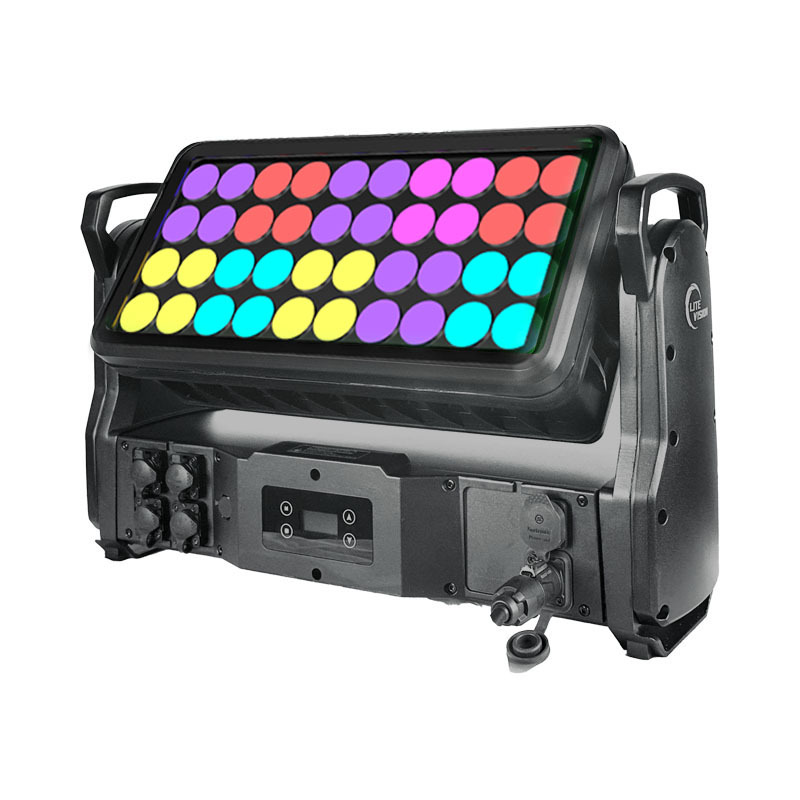
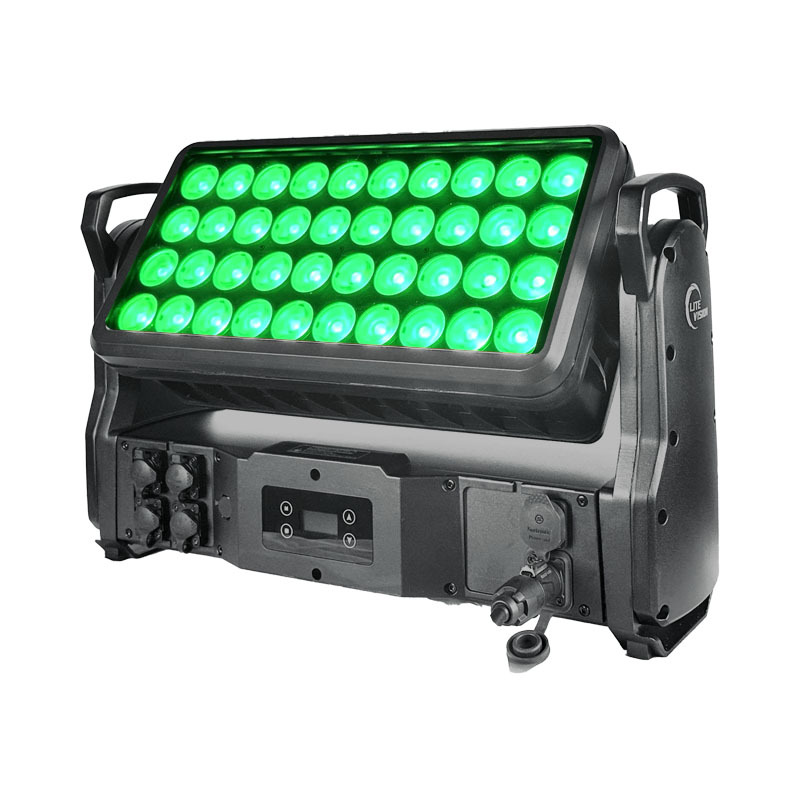
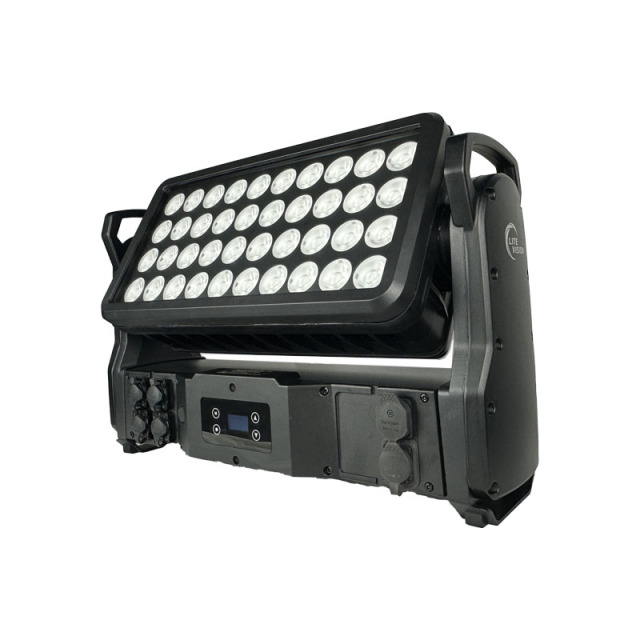
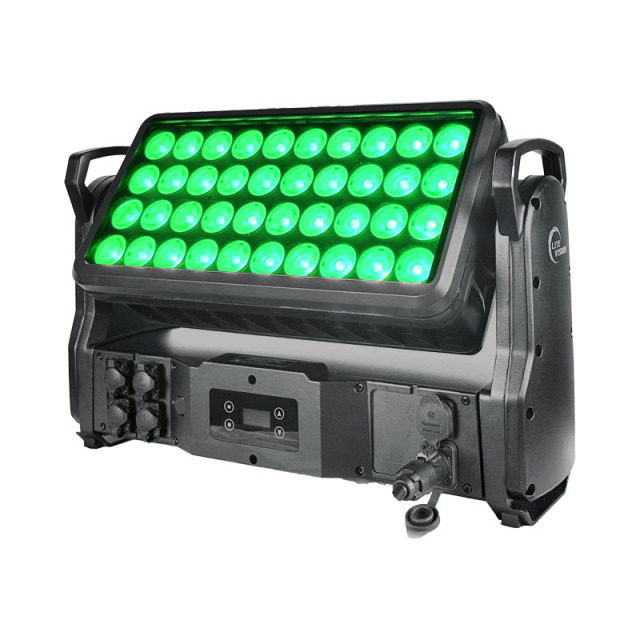
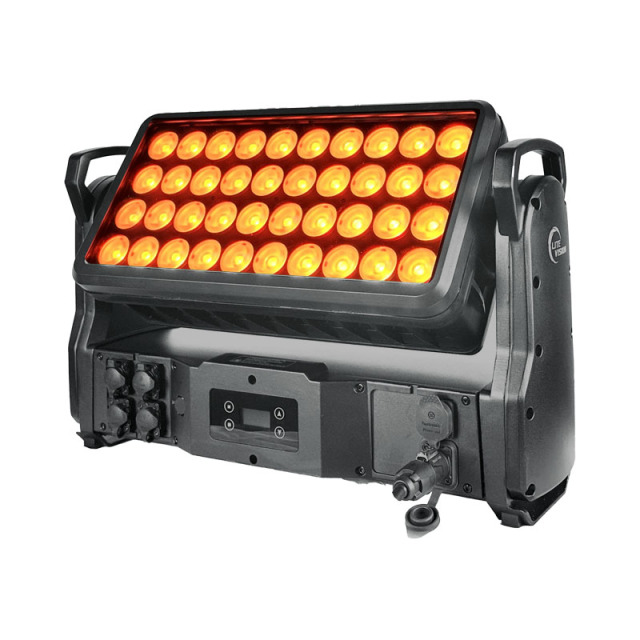
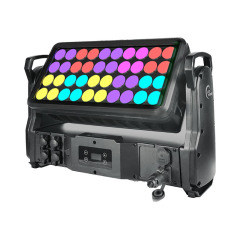
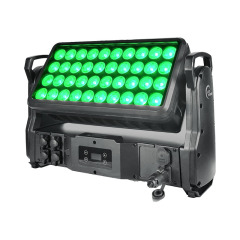
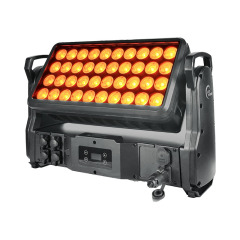
A 40 × 20 W RGBW LED source divided into 10 segments gives the Archi MT4020 Outdoor LED moving wash light distinct areas for contrasting colors and sequenced patterns across its rectangular panel. Electronic dimming from 0–100%, an electronic shutter reaching 20 Hz and internal LED macro effects support both scenic cues and flash accents. The fixture offers 185° tilt with 8–16 bit control, USITT DMX-512, four channel modes and RDM, with optional 2.4 GHz W-DMX™ for wireless control. An illuminated graphic OLED supports local setup, while rubber feet, an Omega bracket and foldout safety wire eyelets provide options for standing or hanging installation.
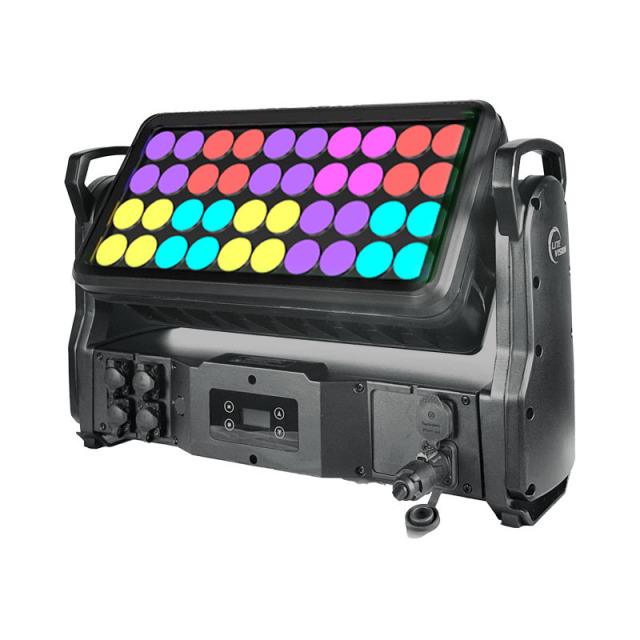
Segmented Color Effects
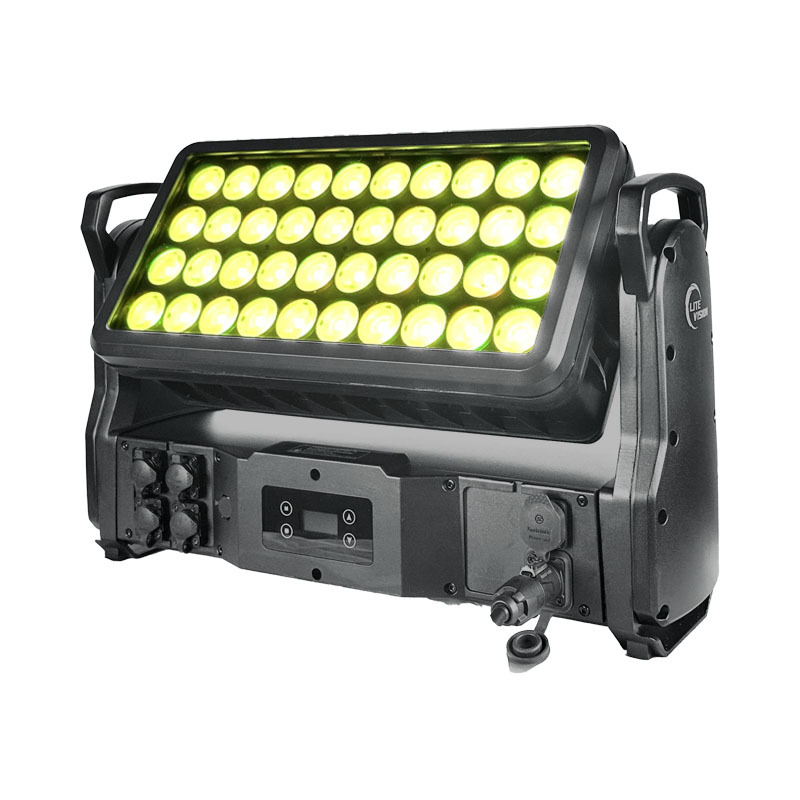
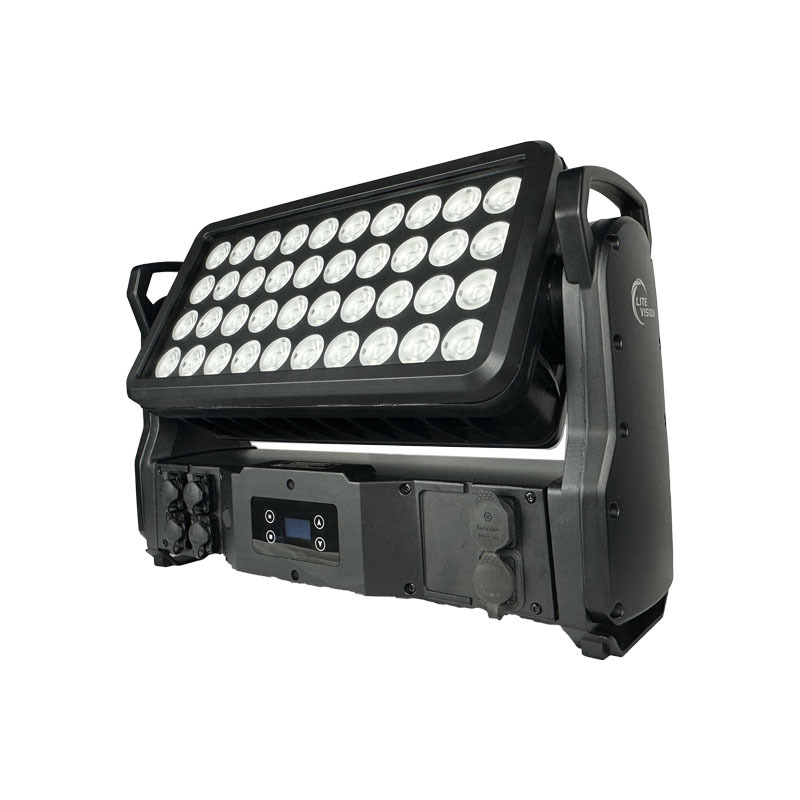
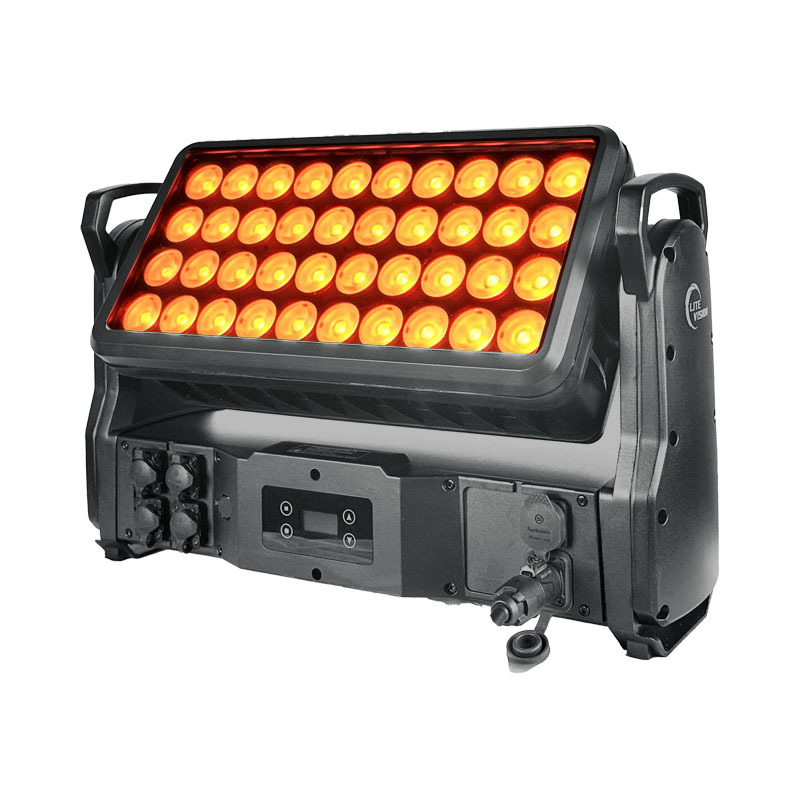
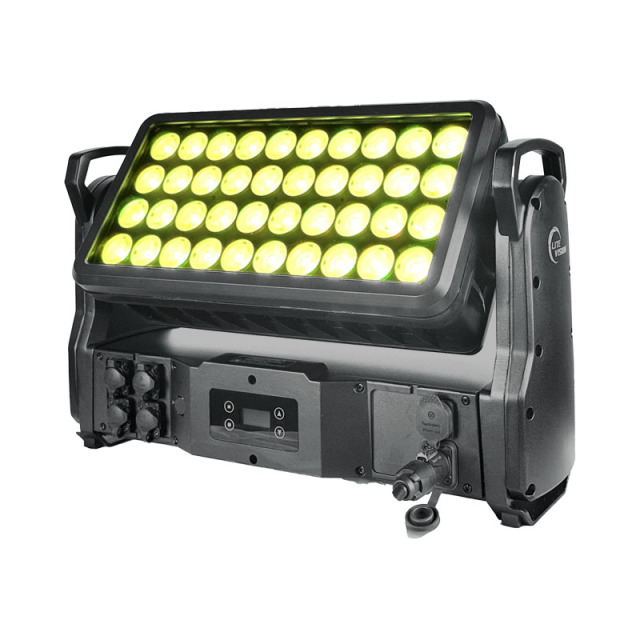
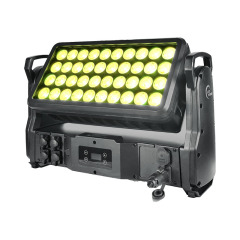
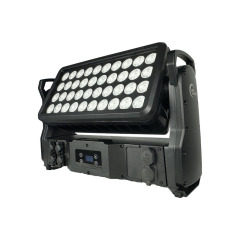
- A 40x 20W RGBW source gives this moving head wash light a multicolor LED array, with circular lenses across a rectangular front panel. Treat the source rating as a description of the LED configuration, rather than a measurement of brightness at the stage.
- The panel is divided into 10 (2 x 5) LED segments, giving programmers distinct areas to work with for contrasting colors and sequenced patterns. Build effects around the segment layout rather than assuming every individual lens has a separate control address.
- Electronic dimming covers 0-100%, allowing the led moving head light to move between full-intensity looks and lower-level scenic cues. Rehearse transitions against the surrounding fixtures so changes in brightness suit the scene.
- An electronic shutter reaches max. 20 Hz for flash-based accents. Use shutter cues deliberately within the show and follow the venue's requirements for strobe warnings and audience safety.
- Internal LED Macro Effects provide another way to develop a moving head led light sequence. Use the channel table from your led moving head light manufacturer to determine how those effects are selected and adjusted within the chosen control mode.
Tilt And DMX Control
Tilt movement covers 185°, with 8-16 Bit control for programming panel position. Build movement cues around that documented axis; horizontal pan movement is not specified for this moving wash light.
USITT DMX-512 provides the wired control protocol. A dmx moving head light patch must use the correct personality and function map, rather than relying on a generic fixture profile with a similar name.
Channel modes are 12CH /43CH / 49CH /5CH. Choose the mode according to the functions required in the show and the available console channels; the channel count alone does not establish which segment, macro or movement functions are exposed.
RDM supports bidirectional communication with compatible control equipment. Access to individual remote-management functions depends on the fixture implementation and the controller, so include an RDM check during system setup.
An illuminated graphic OLED provides the local display for setup. For a led moving head light added to an existing rig, keep its selected mode and console patch aligned before programming cues. Automatic, sound-active and master/slave operation are not specified; plan for a programmed control system unless your led moving head light manufacturer verifies another operating mode.
Optional 2.4 GHz W-DMX™ provides a wireless control configuration. An outdoor moving head light installation using this option needs the appropriate wireless equipment and an on-site signal check; wireless control does not replace mains power.
Electrical And Physical Data
| Property | Value |
|---|
| Model | Archi MT4020 |
| Mains voltage | 100–240 V AC |
| Mains frequency | 50–60 Hz |
| Electrical power specification | 1200 W |
| Product designation | LED 1000W wash light |
| Dimensions | 502 × 137 × 326 mm |
| Net weight | 12.2 kg |
| Gross weight | 13.8 kg |
| Power connection | Seetronic powerCON TRUE1 In/Out |
| Cooling and thermal protection | Temperature-controlled cooling with overheating protection |
| Standing support | Rubber feet |
| Hanging mount | Omega bracket |
| Safety wire attachment | Foldout eyelets |
Rigging And Commissioning
- Plan the mounting position and check the complete movement envelope before lifting the fixture into place. The operating-position specification allows any orientation, but the panel, cables and nearby equipment still need adequate clearance throughout the intended cues.
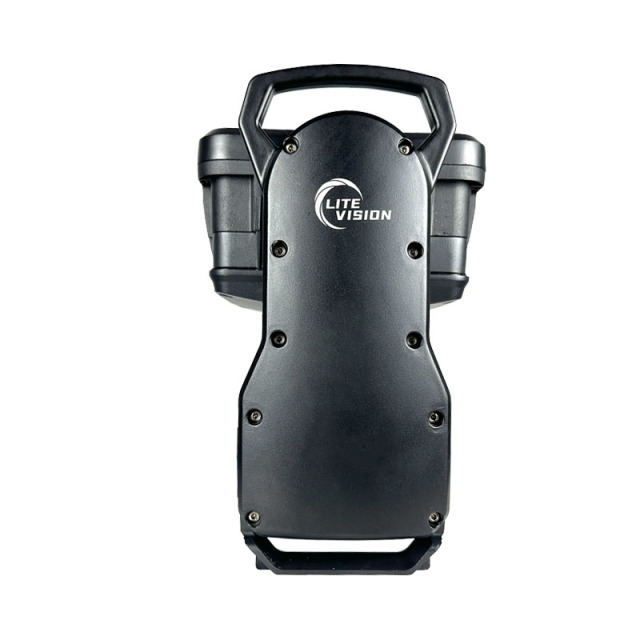
- Use the rubber feet for a stable standing arrangement or the Omega-Bracket mounting method for suspension. A qualified installer should select the supporting structure, clamps and fasteners for the actual installation; the mounting description does not establish which accessories are included.
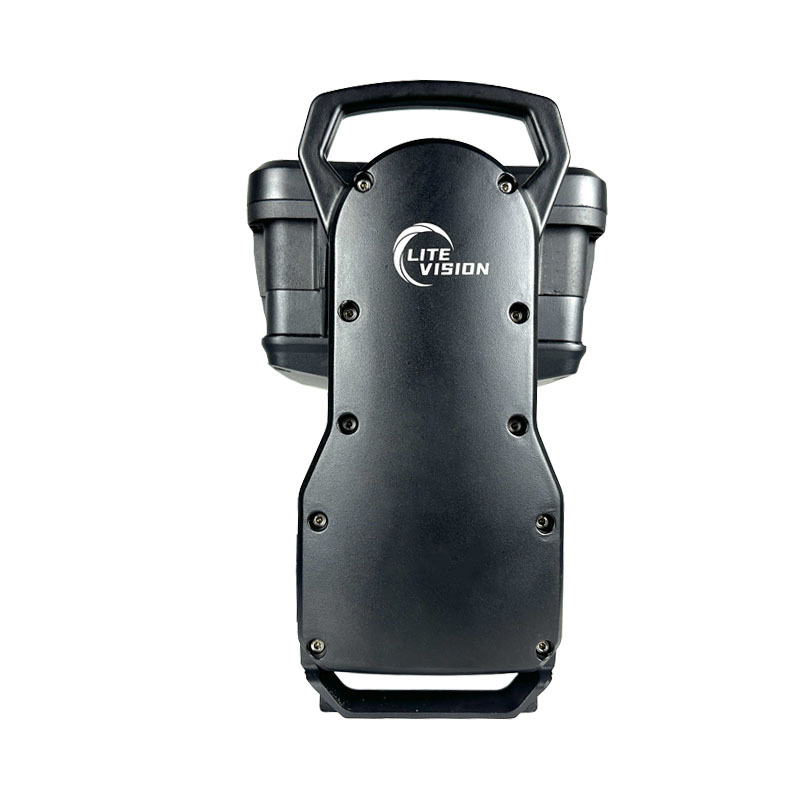
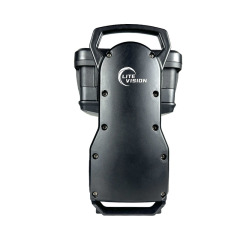
- Attach secondary suspension through the foldout eyelets using appropriately rated safety equipment. The integrated carrying handles assist handling and must not be assumed to be suspension points.
- Connect the control line through Seetronic IP65 XLR 5-Pin or 3-Pin In/Out connections, checking the fitted connector version with your moving head wash light supplier before preparing cables. For a dmx moving head light chain, use suitable DMX cabling and terminate the line according to the system design.
- Wire mains power through the Seetronic powerCON TRUE1 In/Out connections. Have a qualified electrician verify the unit nameplate, circuit protection, cable rating and permitted through-load before linking fixtures; an output connection does not establish an unrestricted daisy-chain capacity.
- Run a controlled commissioning sequence with the area clear, checking cable movement, fixture orientation and cue direction. For a moving head led light added to a mixed rig, test its behavior individually before running the complete show.
Operating Conditions And Care
Temperature-controlled cooling and overheating protection manage thermal conditions during operation. Keep ventilation paths clear, avoid enclosing the unit without an appropriate thermal design, and investigate repeated protective shutdowns before returning it to service.
Ambient-temperature notation requires clarification before use: -30 °C / 86°F, 50 °C / 122°F. Obtain the verified operating range for the actual unit from your moving head wash light supplier before approving hot- or cold-weather operation; the paired units in this notation are not suitable for setting site limits.
Complete-fixture ingress protection also needs verification for an outdoor moving head light installation. A protected signal connection does not establish the environmental rating of the housing, moving assembly or complete installed system. Match the verified protection and installation instructions to the expected rain, dust and moisture exposure.
Power isolation and cooling should precede routine cleaning. Remove loose contamination gently and use a cleaning method suitable for optical surfaces; abrasive tools, aggressive solvents and pressure washing can damage lenses, finishes or seals.
Regular visual checks should cover cables, connector closures, fasteners and the moving assembly. Stop using a moving head wash light with damaged wiring, loose hardware or obstructed movement until a qualified technician has assessed it.
Internal repair work requires the correct service information and components. Keep a record of the unit identification, firmware and fault symptoms, and avoid substituting parts solely because they fit another led moving head light.
Stage And Scenic Applications
- Concert backlines can use the rectangular panel as a visible scenic element behind performers. Place a moving head wash light where its emitting face contributes to the composition without obstructing sightlines or video content.
- Scenic portals and stage borders can combine several panels into a coordinated arrangement. Maintain a consistent physical orientation and programming order so a moving head led light sequence travels in the intended direction across the set.
- Theater and school-stage productions can use the fixture for scenic color and transitions between scenes. Keep dedicated performer lighting in the design where face illumination and color rendering are critical.
- Architectural shows and theme-park scenes can incorporate an outdoor moving head light into rehearsed sequences that follow the timing of the attraction. Exposure conditions and the technical limits of the installation need to be resolved before deployment.
- Venue renovations can pair a moving wash light with existing fixtures to add another layer of programmed movement. Review the complete scene from audience positions so the new layer complements the established lighting rather than overwhelming it.
- Dedicated projection fixtures can provide defined patterns while this panel handles color across scenic surfaces. In the LITEVISION range, Archi BSW260Laser offers a separate pattern-and-projection function; any combined rig still needs its own power, control and mounting design.
Downloads And Technical Files
- Start the technical file set with a model-specific specification sheet and revision date. For Archi MT4020, request current file availability from LITEVISION, your led moving head light manufacturer; the document set below is a checklist rather than a statement that every file is available for direct download.
- Match the user manual to the fitted hardware and firmware. It should cover complete installation instructions, electrical connections, protective earthing, cable routing, operating clearances and configuration procedures.
- Obtain the DMX channel table and the fixture-library file for the intended console and software version. A dmx moving head light needs matching function ranges as well as the correct channel footprint; keep the approved documents with the show file.
- Review photometric data for the intended throw and illuminated area. Beam distribution, measurement distance and test conditions are needed to judge coverage; request an IES or LDT file where available rather than estimating output from the source description.
- Check the model-specific standards and compliance documents required by the destination market and installation. Verify the covered model, document issuer and applicable revision without assuming that company-level documents cover every fixture configuration.
- Add dimensional and mounting drawings, a connection diagram and any available service or spare-parts reference to the installation record. These documents help technicians identify the correct assembly and preserve a consistent setup when equipment is moved or serviced.
Camera And Acoustic Performance
- Camera performance: Archi MT4020 has no verified model-specific flicker test results or specified LED refresh frequency. For filmed productions, establish acceptable camera settings through a practical test before specifying it for the shoot; electronic dimming alone does not establish flicker-free recording.
- Exposure and dimming: Test steady output, low-level holds and slow fades with every camera mode planned for production, including slow motion where required. Check for bands, pulsing and visible brightness steps, and record the settings that produce acceptable footage so the crew can reproduce them.
- Color reproduction: Check the intended RGBW mixtures against the set, costumes and any subjects receiving spill light. Model-specific CRI and TLCI results are not available, so use recorded color checks to decide whether the fixture suits the shot, particularly where accurate skin tones matter.
- Acoustic limits: No model-specific sound-pressure rating, measurement distance or verified quiet operating mode is specified. For theaters, studios and other sound-sensitive spaces, agree on an acceptable noise level and measurement method before making the fixture part of the final equipment specification.
- Sustained operation: Include a sound check after the fixture has reached normal operating temperature under representative show cues. Compare the room's background level with the fixture powered and operating, keeping the measurement position consistent; a brief check immediately after startup may not represent a full performance.
- Movement and microphone pickup: Test stationary holds, slow tilt transitions and faster repositioning separately, using the intended microphone placement and recording gain. Listen back through the production audio system for mechanical or cooling noise during quiet passages, and use those results to settle fixture placement and cue timing.
Technical Support & Model Matching
LITEVISION brings together more than 30 engineers who have worked in the industry for an average of 15+ years. Share your purchasing requirements and the models you are considering to discuss the available options with our team. We provide product maintenance and technical support, with customer service staff available to answer your questions and help address issues. Whether you are comparing options before ordering or need assistance after purchase, contact us with your technical questions and maintenance concerns.
FAQ
What should I check when filming the lighting effects?
Record a rehearsal with the actual camera frame rate, shutter setting and intended cue levels. Review the footage for banding, exposure changes and color reproduction; camera performance has not been established by a model-specific test.
How many color segments can I use when programming effects?
The RGBW LED panel is divided into 10 segments in a 2 × 5 layout. These segments provide distinct areas for contrasting colors and sequenced patterns across the rectangular panel. The fixture also includes internal LED macro effects, electronic dimming from 0–100% and an electronic shutter reaching 20 Hz. Check the selected mode’s channel table for segment and macro control details.
Does the Archi MT4020 offer both pan and tilt movement?
The Archi MT4020 provides 185° tilt movement with 8–16 bit control; horizontal pan movement is not specified. Build positioning and movement cues around the documented tilt axis. Its DMX channel modes are 12CH, 43CH, 49CH and 5CH, but channel count alone does not establish which movement, segment or macro functions are available in each mode.
Is wireless DMX included, and can it replace the wired control connection?
The Archi MT4020 offers optional 2.4 GHz W-DMX™ alongside wired USITT DMX-512 control. Using the wireless option requires appropriate wireless equipment and an on-site signal check. Wireless control does not replace mains power. The fixture also supports RDM for bidirectional communication with compatible control equipment, with available remote-management functions depending on the fixture implementation and controller.
What mounting provisions are supplied for standing and hanging installation?
The fixture has rubber feet for standing installation, an Omega bracket for hanging and foldout eyelets for safety wire attachment. Its net weight is 12.2 kg, and its dimensions are 502 × 137 × 326 mm. When planning the mounting position, account for the documented 185° tilt movement and check the complete movement envelope.
What should I check for a quiet theater installation?
Listen to the fixture in the intended scene, including quiet passages and movement cues, from both the audience and nearby microphone positions. No acoustic rating is specified, so a practical demonstration is needed for sound-sensitive spaces.