Product Overview
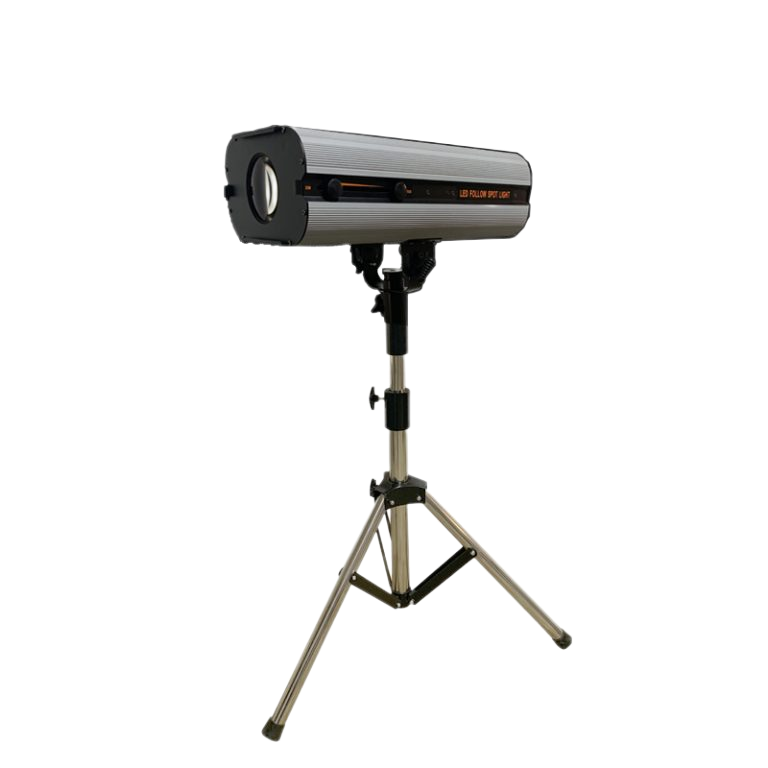
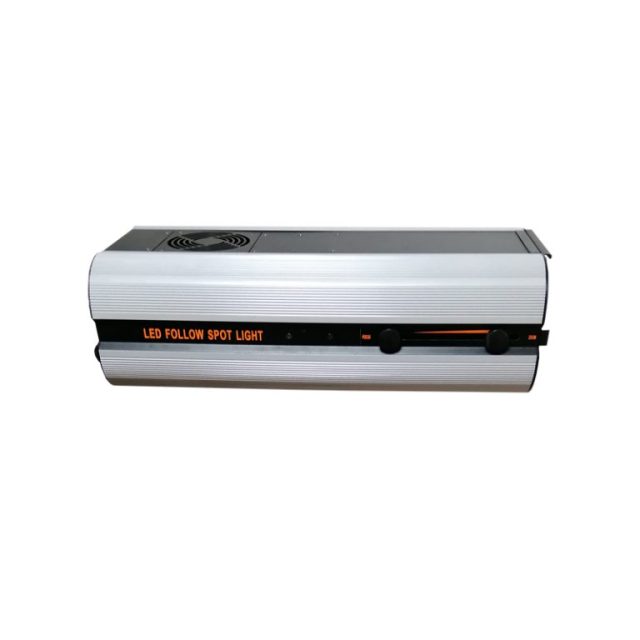
The TFS-2058 is a 600 W LED follow spot light built to be worked by hand — a static unit in a market of led stage lighting fixtures that mostly move themselves. One operator stands behind it, follows a performer across the stage and keeps the beam where it belongs for the whole show.
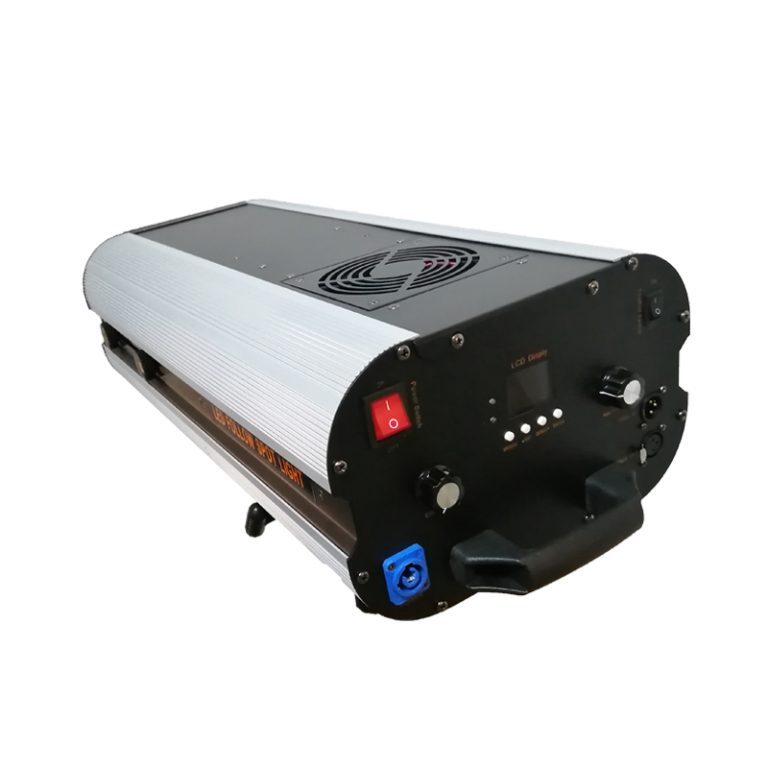
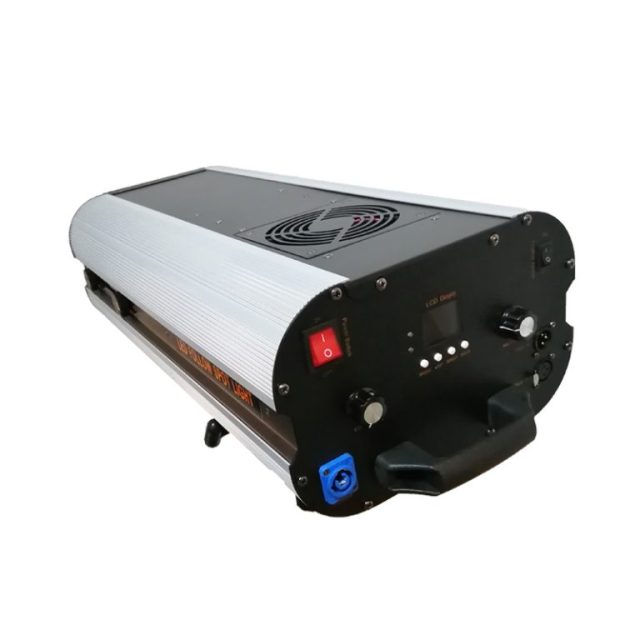
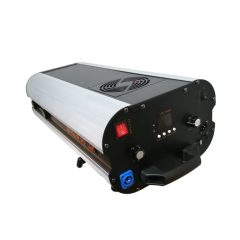
Everything that operator touches sits on the rear panel: an LCD display, the zoom, iris and focus knobs, a power switch and the power connector. That layout is deliberate, because the fixture has to be usable by someone who has never programmed a lighting desk, on a stage that may not have one.
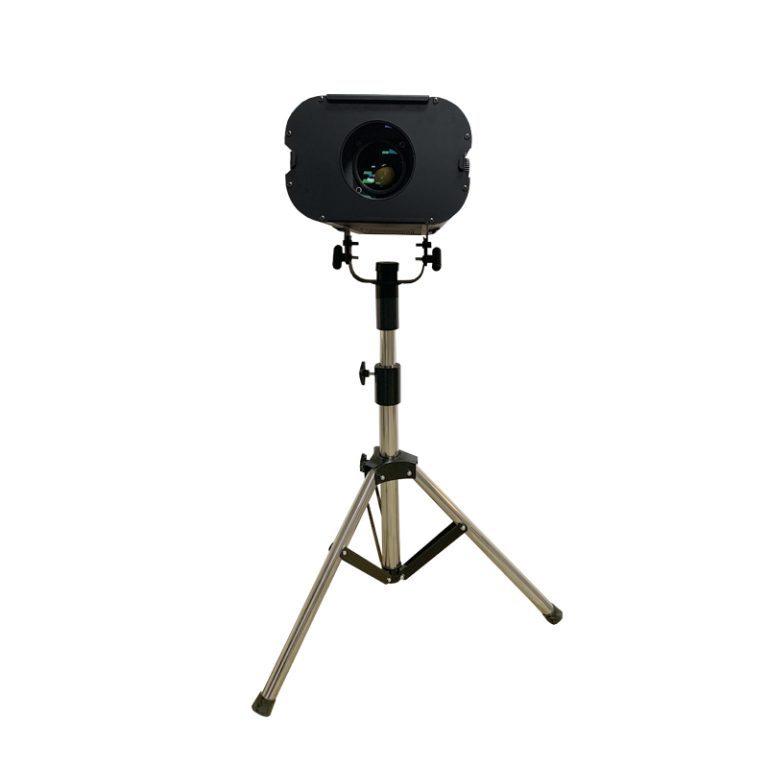
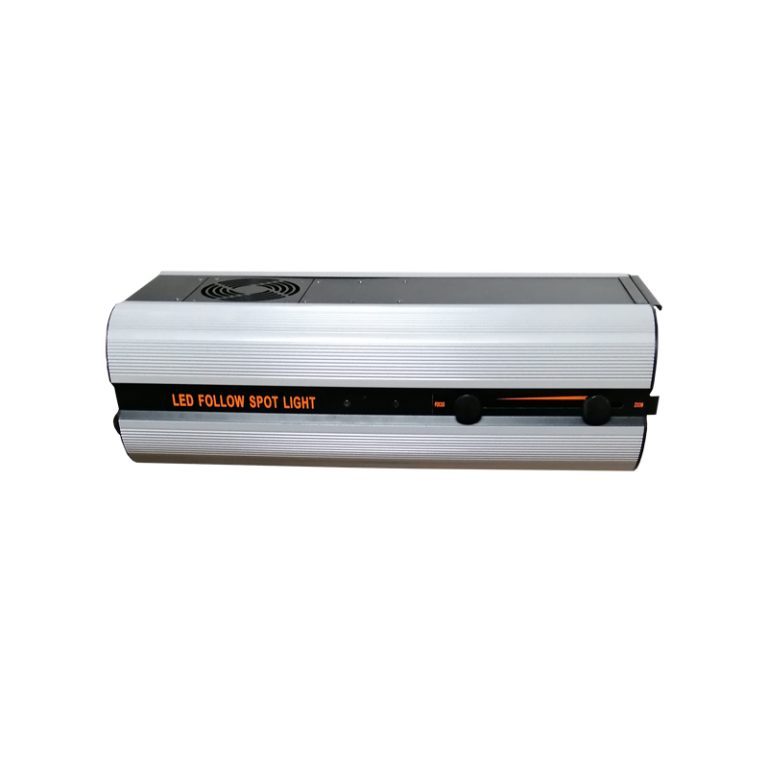
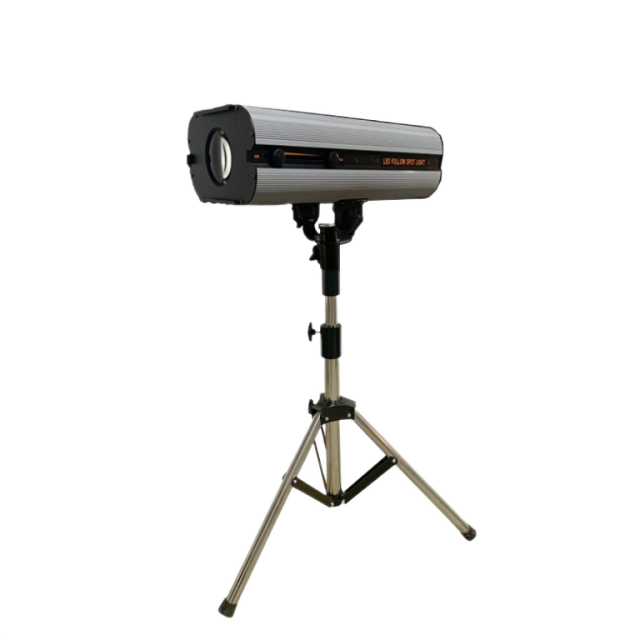
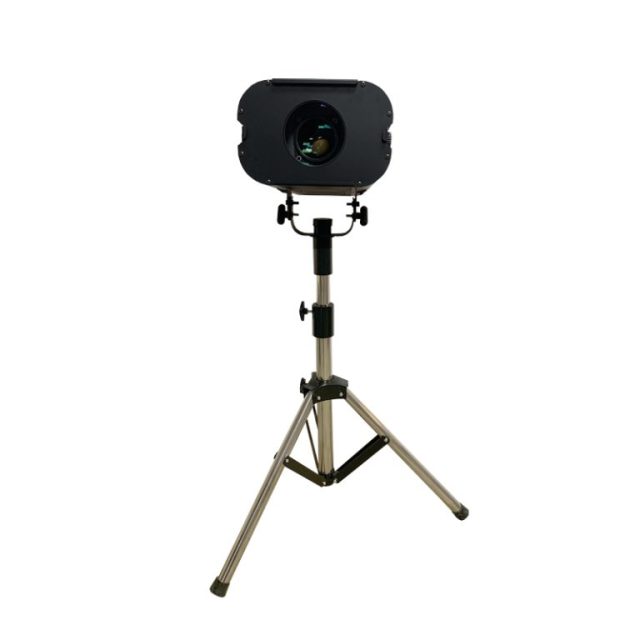
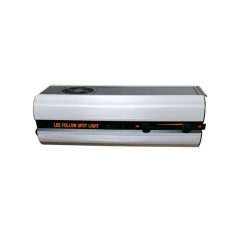
The body is aluminium alloy with a ribbed silver housing and a black bezel around the lens. It is an IP20 fixture, so it belongs inside a building — a theater stage lighting position, a school hall, a church platform, an indoor touring rig — and not on an open-air riser where rain can reach it.
We build this model as a follow spot light manufacturer working with rental houses, distributors, stage lighting suppliers and venue technical teams, which is why it is put together to be cased, trucked and set up again rather than installed once and forgotten.
Light Source & Colour Output
- A 600 W LED engine built from energy-saving lamp heads rated for 50,000 hours, so a venue running two shows a day is not setting aside a lamp budget the way it would with a discharge follow spot.
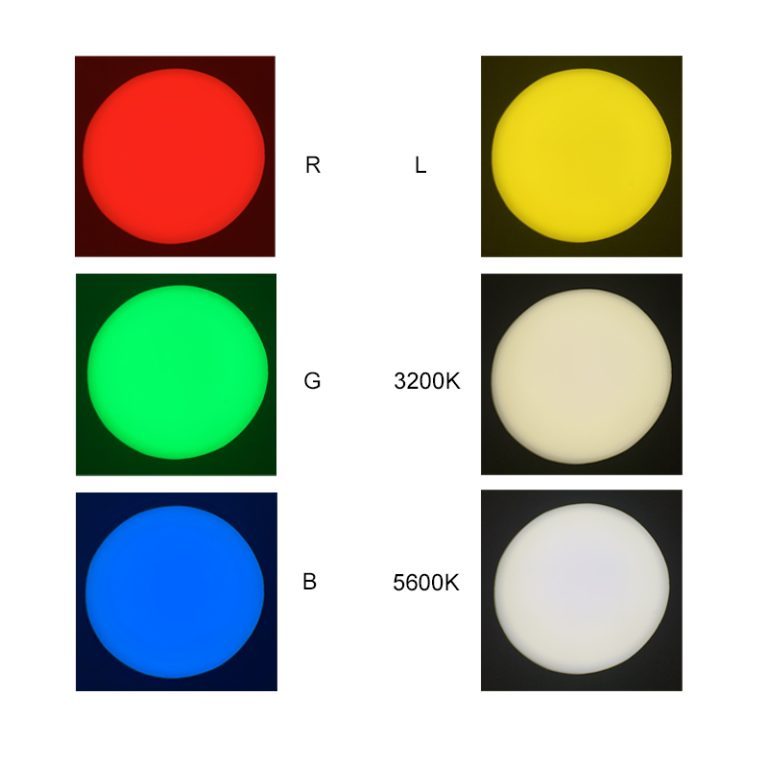
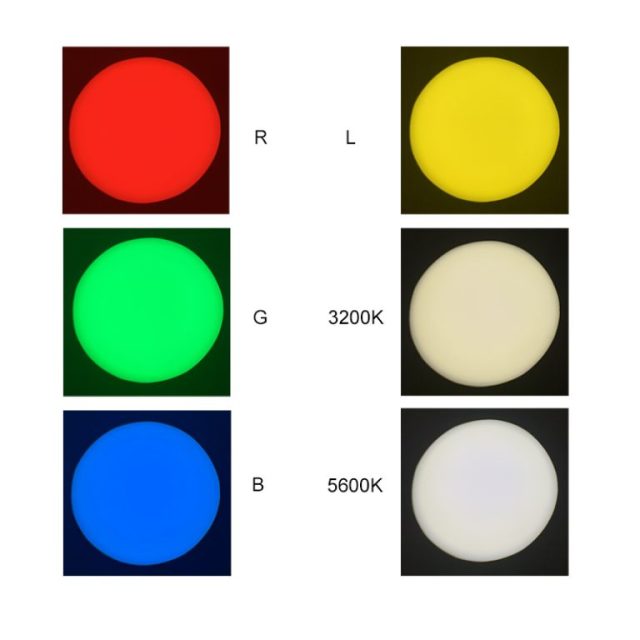
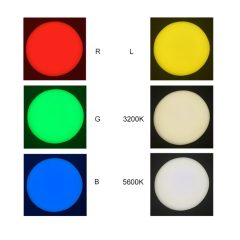
- Ra ≥ 92 colour rendering. In theater stage lighting this is the number that decides whether a face looks natural under the beam or slightly waxy, and it is the figure most designers ask for first. Two colour temperatures — 3200 K for the warm tungsten look that sits beside fresnels and pars, 5600 K for a cooler daylight white that matches LED wash and daylight sources. Each fixture is built as one version, so tell us which you need at the point of order. Red, green, blue, lime and warm white in the engine, which gives saturated colour for washes and effects alongside a clean white for key light, without hanging a separate colour scroller next to it. The same unit runs on European, UK, US and most other mains supplies — one part number for the markets professional led stage lighting is sold into — and maximum draw is 600 W. Colour temperature is fixed at build and cannot be changed later, so it is worth settling early. Ask any of the stage lighting suppliers you are comparing to state the version and the colour rendering figure in writing before you commit.
Control & Channel Map
| Setting | Value |
| Control protocol | DMX512 and manual mode |
| DMX channels | 2 |
| Channel 1 | Dimmer, linear 0–100% |
| Channel 2 | Strobe |
| Manual controls | Zoom, iris and focus at the rear panel |
| Display | LCD on the rear panel |
| LED on/off | Single key; no cooling wait before power-off |
| Operation | Console-controlled or stand-alone manual |
Beam, Zoom & Focus
Zoom is manual and runs from 9° to 45°. The wide end covers a whole stage or a line of performers; the narrow end puts a clean pool on one person at the back of the room.
The same knob closes the aperture to about 2°, the setting that earns its keep in a real cue — a tight circle on a face, a hand or a microphone stand, with the spill kept off the scenery behind.
Focus and iris are hand controls on the rear panel. That is deliberate: in professional led stage lighting the operator normally keeps the edges sharp and the pool the right size in real time, rather than working through menus or handing the cue back to a programmer.
The fixture is rated for about 50 m of projection, which covers a rear-of-house position in most medium halls and theatres. If your throw is longer than that, tell us before you order and we will check what else fits.
It works as a beam light as well as a follow spot light. Narrowed right down it becomes a hard-edged beam for entrances and solos; opened up it behaves as a general stage special, even with nobody following anyone.
Setting Up & Focusing
- Uncase and check. Open the flight case, lift the fixture out by the rear handle and check it against the rest of your led stage lighting fixtures — same version, same colour temperature, no transit damage.
- Set the position. Stand it on the tripod at the back of the room and set the height so the lens clears the heads in front of it; the tilt bracket angles the beam up to a stage or down to a floor position without packing under the legs.
- Level and lock the tripod. A fixture that rocks mid-show is worse than one that is 10 cm off its mark.
- Power up. Connect at the rear panel and switch on; the supply accepts 100–240 V, so the unit can move between countries on tour.
- Focus before doors open. Widen the zoom to find the performer's position, then close down to cue size and set focus — in theater stage lighting the check never changes: sharp at the narrow end, clean edges at the wide end.
- Run data and power where nobody can trip on them, and keep the rear vent clear. That is standard practice for any fixture on a temporary position.
Specifications
| Specification | Detail |
|---|
| Model | TFS-2058 |
| Light source | 600 W LED lamp heads, 50,000-hour rated |
| Colour rendering | Ra ≥ 92 |
| Colour temperature | 3200 K or 5600 K, one version per fixture |
| Light colour | Red, green, blue, lime and warm white |
| Beam angle | 9°–45° manual zoom, closing to 2° at the knob |
| Projection distance | About 50 m |
| Optics | Four groups of glulam glass optics |
| Power supply | AC 100–240 V, 50–60 Hz, max 600 W |
| Cooling | Aluminium heat plate and copper tube with quiet fan; working range −30 °C to 40 °C |
| IP rating | IP20, indoor use |
| Net / gross weight | 13.7 kg / 18 kg with flight case |
| Flight case size | 96.5 × 51.5 × 48.5 cm |
Ordering & Delivery
- Configuration first. Tell us whether you need the 3200 K or the 5600 K version, how many units, and whether they join an existing led stage lighting rig or open a new position.
- Commercial terms are quoted per order. Quantity, price, payment terms and trade terms vary by destination, so ask your sales contact for current figures rather than working from an old quote, and ask for them in writing with a validity period.
- Lead times are set per order. Production and shipping schedules depend on the version and the quantity; if a show date is fixed, say so at the start and we will tell you what is achievable.
- Documents for a bid. Tell us which paperwork your consultant needs — specification sheet, DMX channel table, user manual, test reports for your market — and we will confirm what we can provide with the order.
- After-sales. We handle warranty and repairs as the follow spot light manufacturer, so ask for the warranty length and coverage in writing and tell us which spare parts you want held for your region.
- Packing and shipping. Each unit travels in a flight case; give us the destination and the freight method and we will work out packing and shipping with you.
Technical Support & Model Matching
More than 30 engineers with an average of 15+ years in professional led stage lighting stand behind every order — the same people who answer your technical questions. Tell us your venue, rigging height, throw distance and existing control setup; we help match models, check protocol and channel fit, and build a package that works as one system. If a fixture misbehaves on site, we work through the fault with you and sort out spares. Installation and commissioning guidance come with the order. Founded in 2016, exporting since 2022, LITEVISION serves buyers in more than 80 countries from offices in the USA, Taiwan, Mexico and China.
FAQ
Can I operate it without a lighting console?
Yes. Manual mode is how most rooms run it — the operator works zoom, iris and focus by hand at the fixture. DMX512 is there for the two channels a desk should own, dimmer and strobe, so you can automate fades and still keep a person on the beam. That makes it workable in a small led stage lighting setup where one person does everything.
How far can it throw, and how tight does the beam get?
Rated projection is about 50 m. The zoom runs 9° to 45° and the knob closes the aperture to roughly 2°, so you can light a whole chorus at the wide end and pick a single face out of the dark at the narrow end. Put the follow spot light at the back of a medium hall and the throw is comfortable.
Will two units from the same order match in colour?
They are built on the same LED engine with Ra ≥ 92, and colour temperature is fixed at build, so units ordered together in the same version match each other. If you are adding to an existing set of led stage lighting fixtures, tell us the version you already own and we will build to it. It is a check any of the better stage lighting suppliers will run on request — ask us and we will confirm it on your order.
Can I use it outdoors?
Not this model. It is an IP20 fixture built for indoor work, and rain, dust and open-air risers are outside what it is designed for. If your stage is uncovered, tell us the venue and we will point you to the IP65 and IP66 outdoor fixtures in the range.
Is the cooling fan audible during quiet scenes?
The fan is auxiliary: the primary heat path is an aluminium plate and copper tube inside the body, and the fan only assists. A fan is often the first thing an audience hears in a very quiet room, so if you are working in professional led stage lighting for opera, acoustic sets or broadcast, say so and we will point you to the fan-less models in the range.